
Preserving Sight in an Ageing World
Version 1.1 · Revised 25 July 2026
TABLE OF CONTENTS
Open Access Reference Publication
Author: Dr. Samer Al-Diri
Author ORCID iD: 0009-0004-1908-0714 | https://orcid.org/0009-0004-1908-0714
Licence: Creative Commons Attribution-NonCommercial-NoDerivatives 4.0 International (CC BY-NC-ND 4.0)
Preprint and citation record: This work is also available as a public ResearchGate preprint with DOI:
https://doi.org/10.13140/RG.2.2.17390.57923
Al-Diri S. Age-Related Macular Degeneration: Population Ageing, Health-System Impact, Artificial Intelligence, and the Future of Sustainable Vision Care — Preserving Sight in an Ageing World. DrSamerAlDiri.com. Published 23 June 2026. Available at: https://drsameraldiri.com/age-related-macular-degeneration-population-ageing-health-system-impact-artificial-intelligence-and-the-future-of-sustainable-vision-care/. Accessed 23 June 2026.
Related flagship publications: This article should be read alongside my flagship publication on diabetic retinopathy, artificial intelligence, and preventable blindness, and my executive reference publication on healthcare AI governance and patient-centred accountability.
Front Matter
2. Methods Statement – Evidence Synthesis
3. Author’s Note – Why I Wrote This
4. Executive Summary for Policymakers
5. Key Messages
Part I – Frameworks
7. Introduction
9. The Sustainable Vision Care Framework (including The Vision Dividend)
Part II – Epidemiology and Human Impact
10. AMD and the Global Burden of Population Ageing
11. The Human Impact of Age-Related Macular Degeneration
Part III – Health Systems and Workforce
12. Health-System Impact of Age-Related Macular Degeneration
13. Geographic Atrophy: The New Therapeutic Era and the Challenge of Meaningful Benefit (including Structure–Function Challenge and safety discussion)
14. Evidence-Based Hope in AMD
15. Workforce Pressures, Capacity Constraints, and the Vision-Care Capacity Gap
Part IV – Technology and Future Models
17. Artificial Intelligence and the Future of AMD Care
18. From Reactive Care to Future-Ready Vision Systems
Part V – Looking Ahead
19. The Future of AMD Care (Seven Forecasts)
20. Executive Recommendations for Health-System Leaders and Policymakers
21. Adapting Sustainable Vision Care Across Diverse Health‑System Contexts
22. Call to Action
23. Final Reflection: The Future of Vision in an Ageing World
– Limitations and Unresolved Questions
Back Matter
– Ethical Approval and Data Availability
– Open Access Licensing Statement
– How to Cite the Central Framework
– Key Author-Developed Concepts
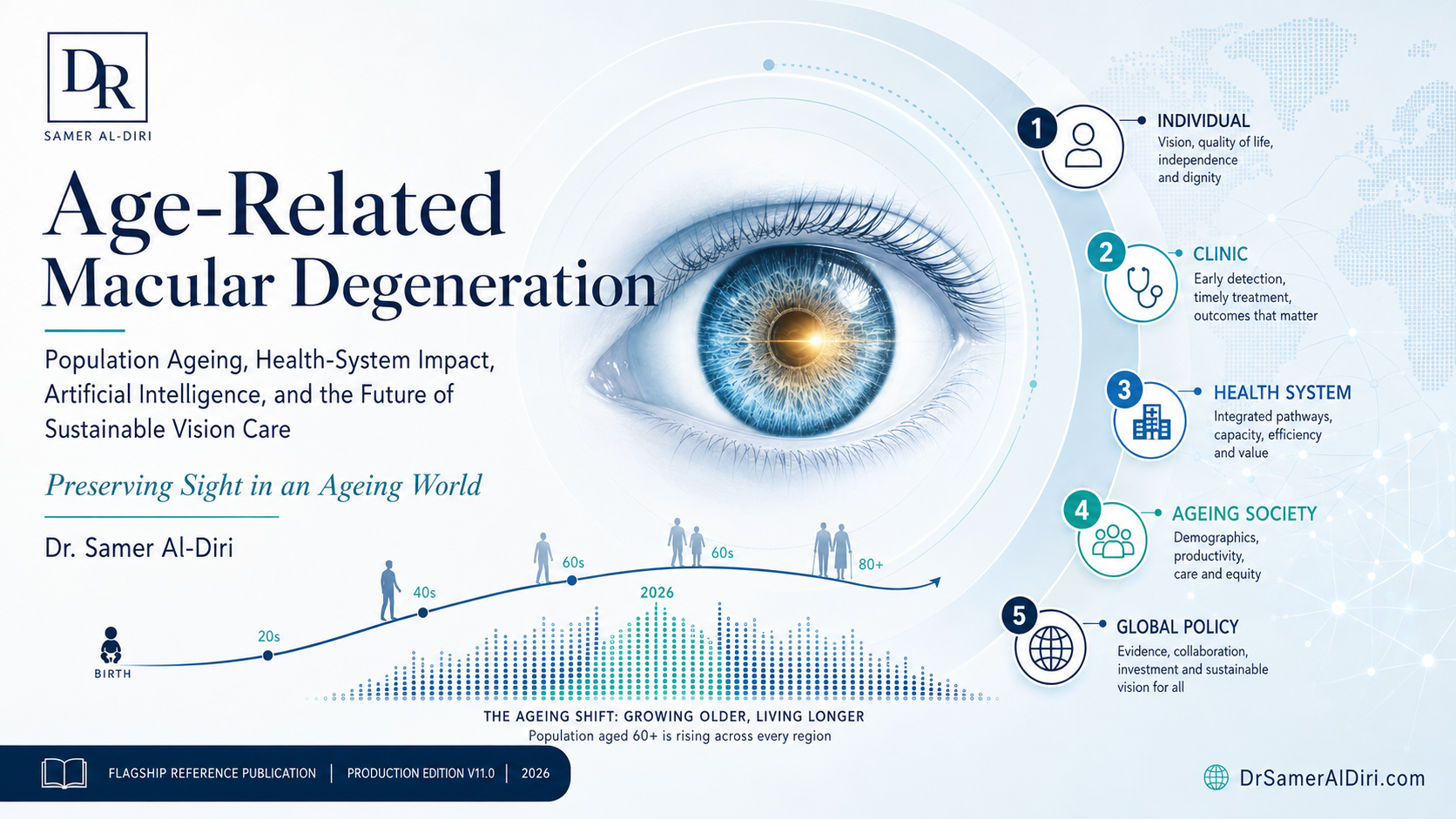
Executive visual abstract. Age-related macular degeneration in an ageing world: a global health-system imperative linking individual dignity, clinic care, health-system capacity, ageing society, and global policy.
Executive Abstract
Age-related macular degeneration (AMD) is a leading cause of irreversible visual impairment in older adults and an expanding challenge for ageing societies. A widely cited meta-analysis estimated about 196 million people living with AMD in 2020 and projected approximately 288 million by 2040; more recent Global Burden of Disease analysis confirms a continuing rise in AMD-related vision impairment toward 2050. [2, 4, 41]
AMD remains a retinal disease, but its consequences reach far beyond the macula. Central vision supports reading, face recognition, medication management, mobility, driving, social participation and independent living. Loss of vision is associated with reduced quality of life, anxiety and depression, increased fall risk, caregiver burden and wider societal cost. [6, 7, 8, 9, 10, 11, 12, 13, 16]
The demographic tension is captured by the author-developed Longevity–Vision Paradox: advances that extend life also increase the number of years during which people may live with age-related retinal disease. Preserving sight therefore belongs within healthy-ageing policy, functional-ability planning and integrated people-centred eye care. [1, 5, 37, 38, 39, 40, 59, 62, 63]
Geographic atrophy (GA), the advanced atrophic form of AMD, has entered a disease-modifying treatment era. Complement inhibitors can slow lesion enlargement, but the magnitude of anatomical benefit, repeated treatment burden, neovascular and inflammatory safety signals, uncertain functional benefit and diverging regulatory decisions require careful shared decision-making. Updated two- and three-year evidence strengthens the anatomical efficacy signal without removing the central Structure–Function Challenge. [19, 20, 21, 25, 26, 27, 28, 52, 66, 67, 68, 69, 70, 71, 72, 73, 74, 75]
Artificial intelligence may support image analysis, risk prediction, lesion quantification, workflow prioritisation and home-enabled monitoring. Its value depends on external validation, prospective clinical evaluation, governance, equity and integration into accountable care pathways. A high-performing retrospective model is not automatically a safe clinical service. [22, 23, 24, 30, 31, 45, 46, 53]
The Sustainable Vision Care Framework integrates prevention, earlier detection, effective and equitable treatment, rehabilitation, workforce capacity, technology and system resilience. Its central argument is practical: scientific innovation achieves population benefit only when healthcare systems possess the workforce, infrastructure, financing, governance and implementation capability to deliver it. The same life-course principle begins much earlier in childhood, where vision screening and amblyopia prevention show how early detection and pathway continuity can protect sight before irreversible visual loss occurs.
This article provides an evidence-informed strategic reference for clinicians, health-system leaders, policymakers and patients preparing for the next phase of AMD care. It preserves evidence-based hope while distinguishing established benefit from promising research, post hoc signals and future scenarios.
Methods Statement – Evidence Synthesis
This publication is an evidence-informed narrative synthesis and strategic reference article. It is not a formal systematic review, clinical guideline, health-technology assessment or health-economic model. It integrates peer-reviewed evidence, regulatory documents, clinical-trial records, global policy reports and the author’s professional synthesis to examine AMD as a retinal disease, a healthy-ageing challenge and a test of health-system readiness.
The intended audience includes retina specialists and ophthalmologists, optometrists, nurses and allied eye-care professionals, public-health practitioners, healthcare executives, policymakers, health-technology-assessment teams, researchers, digital-health leaders, patients, families and advocacy organisations. Accessible explanations are used alongside technical, operational and policy analysis.
Evidence searches were originally conducted during March–May 2026 and were rechecked for this Version 1.1 through 25 July 2026. Priority was given to systematic reviews, randomised trials, major observational studies, WHO and Lancet Global Health sources, official regulatory decisions, prescribing information and registered trials. Current regulatory or pipeline statements are time-stamped because they can change after publication.
The concepts used throughout are intended to clarify complex system relationships, not to overclaim. The Longevity–Vision Paradox and Geographic Atrophy Transition Era are presented as author-developed conceptual contributions. The Ageing Vision System, Sustainable Vision Care Framework, Vision Dividend, Workforce Mathematics, Vision-Care Capacity Gap, Structure–Function Challenge, Implementation Chasm, Vision-System Resilience and Intelligent Vision System are descriptive or integrative lenses. They have not been externally validated as clinical prediction models or proprietary instruments.
Artificial-intelligence tools assisted with language refinement, document formatting, link checking and editorial organisation. The author determined the substantive clinical, public-health and policy conclusions.
Author’s Note – Why I Wrote This
I wrote this work because I kept seeing the same pattern repeat: science moving forward while systems struggled to keep pace. Patients waited. Clinicians absorbed the pressure. Administrators were sometimes surprised by demand that was, in truth, predictable.
My perspective is shaped by working across different health-system environments. In the United Kingdom, I saw how sophisticated retinal services can still be stretched by volume and workforce pressure. In the United Arab Emirates, rapid health-system development shows how quickly infrastructure and ambition can evolve. In resource-constrained settings, delayed referral, limited imaging capacity and long travel distances can create barriers to specialist eye care.
The AMD challenge looks different in each setting, but the patient’s fear is remarkably similar. Losing sight means losing confidence, independence, and sometimes identity. That is why the central question is not only what retina science can achieve. It is what health systems are prepared to deliver.
A Note on Scope and Humility
The frameworks in this work are deliberately descriptive. They are not clinical guidelines, and they should not be read as universal prescriptions. The Longevity–Vision Paradox, for example, simplifies a complex interaction between ageing, multimorbidity, health financing, culture, geography, and patient preference. It is useful because it makes the tension visible, not because it explains every setting equally well.
I am also conscious that my own experience, while international, cannot fully represent the realities of every low- and middle-income country or every local health system. Readers should adapt the ideas to their own context. The goal is to provoke better planning, more honest debate, and more patient-centred implementation.
Executive Summary for Policymakers
AMD and GA should be treated as healthy-ageing, public-health and health-system priorities as well as specialist retinal conditions. Population ageing will increase the number of people requiring risk assessment, retinal imaging, monitoring, treatment, low-vision rehabilitation and long-term support. [2, 5, 37, 41, 59, 62, 65]
Scientific innovation is accelerating. Anti-VEGF therapies have transformed neovascular AMD, longer-interval regimens and delivery systems may reduce some treatment burden, and complement inhibitors have created the first disease-modifying options for GA in several jurisdictions. Yet innovation also creates demand: more images, eligibility assessments, injections, safety monitoring, counselling and follow-up. [15, 19, 25, 26, 27, 28, 29, 30, 31, 32, 33, 34, 35, 68, 69, 70, 71, 72, 73, 74, 75]
Five priorities follow:
- Integrate vision preservation into healthy-ageing strategies and functional-ability indicators. [1, 37, 38, 39, 40, 59, 62, 63]
- Forecast workforce and imaging capacity before demographic and therapeutic demand widens access gaps. [14, 15, 17, 18, 44]
- Build transparent GA pathways that distinguish approval, reimbursement, clinical eligibility, patient preference and real-world outcome monitoring. [19, 20, 21, 25, 26, 27, 28, 67, 68, 69, 70, 71, 72, 73, 74, 75]
- Deploy AI only after clinically appropriate validation, workflow testing, accountability and equity assessment. [22, 23, 24, 30, 45, 46, 53]
- Measure outcomes that matter: reading, daily function, independence, patient-reported experience, safety, equity and rehabilitation access – not activity alone. [9, 11, 12, 42, 43, 64]
| Guiding principle Innovation should be evaluated across four linked questions: Does it alter disease biology? Does that benefit preserve function patients value? Can the health system deliver it safely and equitably? Can it be sustained at population scale? |
|---|
Key Messages
| Audience | Priority message |
|---|---|
| Patients and families | AMD can affect reading, facial recognition, driving, confidence and independence before conventional acuity alone reflects the full burden. Shared decisions should address expected benefit, burden, uncertainty, safety and the patient’s own priorities. [9, 10, 11, 12, 13, 42, 64] |
| Clinicians | Use anatomical evidence carefully, keep functional outcomes central, distinguish product-specific safety profiles and verify current local regulatory and reimbursement status. [19, 20, 21, 25, 26, 27, 28, 52, 66, 67, 68, 69, 70, 71, 72, 73, 74, 75] |
| Executives | Therapeutic success increases service volume. Plan imaging, injection capacity, workforce, data systems, rehabilitation and patient navigation together. [14, 15, 16, 17, 18, 31, 32, 33, 34, 35, 44] |
| Policymakers and payers | Approval does not equal value or access. Align health-technology assessment, registry evidence, equity safeguards and capacity planning with outcomes patients can feel. [20, 21, 52, 67, 68, 69, 70, 71, 72, 73, 74, 75] |
| AI and digital-health leaders | Separate retrospective model performance from prospective clinical effectiveness and implementation. Build governance, monitoring, accountability and human oversight into the pathway. [22, 23, 24, 30, 45, 46, 53] |
| Researchers | Prioritise longer follow-up, patient-reported outcomes, real-world safety, treatment-selection biomarkers, rehabilitation, diverse populations and comparative implementation research. [24, 25, 26, 27, 28, 29, 30, 42, 46, 52, 54, 55, 56, 57, 58, 72, 73, 74, 75] |
Reader’s Guide
The article can be read in sequence or by theme. Parts I and II establish the ageing and human-impact argument. Part III examines service demand, GA therapeutics, workforce and implementation. Part IV addresses AI and future operating models. Part V translates the evidence into forecasts, executive recommendations, context adaptation and a call to action.
| Reader | Suggested pathway |
|---|---|
| Retina specialists and clinicians | GA efficacy and safety, meaningful benefit, regulatory divergence, nAMD durability and evidence-based hope. |
| Public-health and policy leaders | Population ageing, global burden, equity, healthy-ageing integration and national strategy. |
| Healthcare executives | Workforce mathematics, imaging and injection capacity, service redesign, financing and resilience. |
| AI and digital-health leaders | Prediction, quantification, prospective implementation, governance, data and home monitoring. |
| Patients and advocacy organisations | Human impact, shared decision-making, rehabilitation, access and outcomes that matter. |
| Terminology note GA means geographic atrophy secondary to AMD unless otherwise stated. Regulatory status is presented as a dated snapshot to 25 July 2026 and must be rechecked before clinical, procurement or policy decisions. |
|---|
Introduction
AMD is one of the leading causes of irreversible visual impairment in older populations. Historically it has been viewed mainly as a retinal disease managed in specialist clinics. That clinical view remains essential, but it is no longer sufficient. Demographic ageing, chronic monitoring, high imaging volumes, treatment intensity, rehabilitation needs and unequal access have made AMD a wider public-health and health-system issue. [1, 2, 3, 4, 5, 14, 15, 16, 17, 18, 41]
Visual function enables ordinary life: reading a medicine label, recognising a face, navigating steps, preparing food, using a phone and leaving home with confidence. AMD therefore affects functional ability and participation, domains that sit at the centre of healthy ageing. [9, 11, 37, 42, 59, 62, 63]
The field has also changed scientifically. Anti-VEGF therapy transformed neovascular AMD; longer-acting regimens and delivery approaches seek to reduce burden; complement inhibitors modify GA lesion growth; imaging and AI reveal increasingly detailed phenotypes; and retinal implants, gene therapy, cell replacement and neuroprotective strategies are being investigated. [19, 22, 23, 24, 25, 26, 27, 28, 29, 30, 31, 32, 33, 34, 35, 47, 48, 49, 50, 51, 52, 53, 54, 55, 56, 57, 58, 72, 73, 74, 75]
The strategic challenge is translation. A treatment can be efficacious, approved and funded, yet deliver limited population benefit if patients cannot reach a clinic, services lack capacity, monitoring is fragmented or the outcome does not align with what patients value. This article therefore places clinical evidence inside a larger question: what kind of vision-care system is required for ageing societies?
The Ageing Vision System
The Ageing Vision System is used here as an author-developed descriptive lens that positions visual function alongside mobility, cognition, cardiovascular health and social participation. It is not a biological model or validated index. Its purpose is to make visible the connections between the eye, the person, the family and the health system.
At least 2.2 billion people worldwide live with near or distance vision impairment, and the global burden is shaped by ageing, inequality and incomplete access to effective eye care. The Lancet Global Health Commission argues that eye health contributes to wellbeing, education, productivity and social participation, while healthy-ageing frameworks emphasise functional ability rather than survival alone. [1, 37, 38, 39, 40, 59, 61, 62, 63]
AMD illustrates these connections clearly. Central vision loss can reduce reading, contrast-dependent mobility and facial recognition. It is associated with anxiety and depression, reduced quality of life, falls and greater reliance on family support. The strength of each association varies by disease stage, measurement and context; these effects should be acknowledged without treating every patient experience as identical. [6, 8, 9, 10, 11, 12, 13, 42, 64]
| The Longevity-Vision Paradox Longer life is a public-health achievement. It also increases cumulative exposure to age-related retinal disease. The policy response is not to diminish longevity, but to preserve functional vision across longer lives. |
|---|
The dementia literature adds another reason to integrate sensory health into ageing policy. Vision impairment is included among potentially modifiable dementia risk factors, although this does not mean that AMD treatment has been proven to prevent dementia. The responsible interpretation is that sensory function, cognition, mobility and social engagement are interconnected and deserve coordinated policy attention. [60]
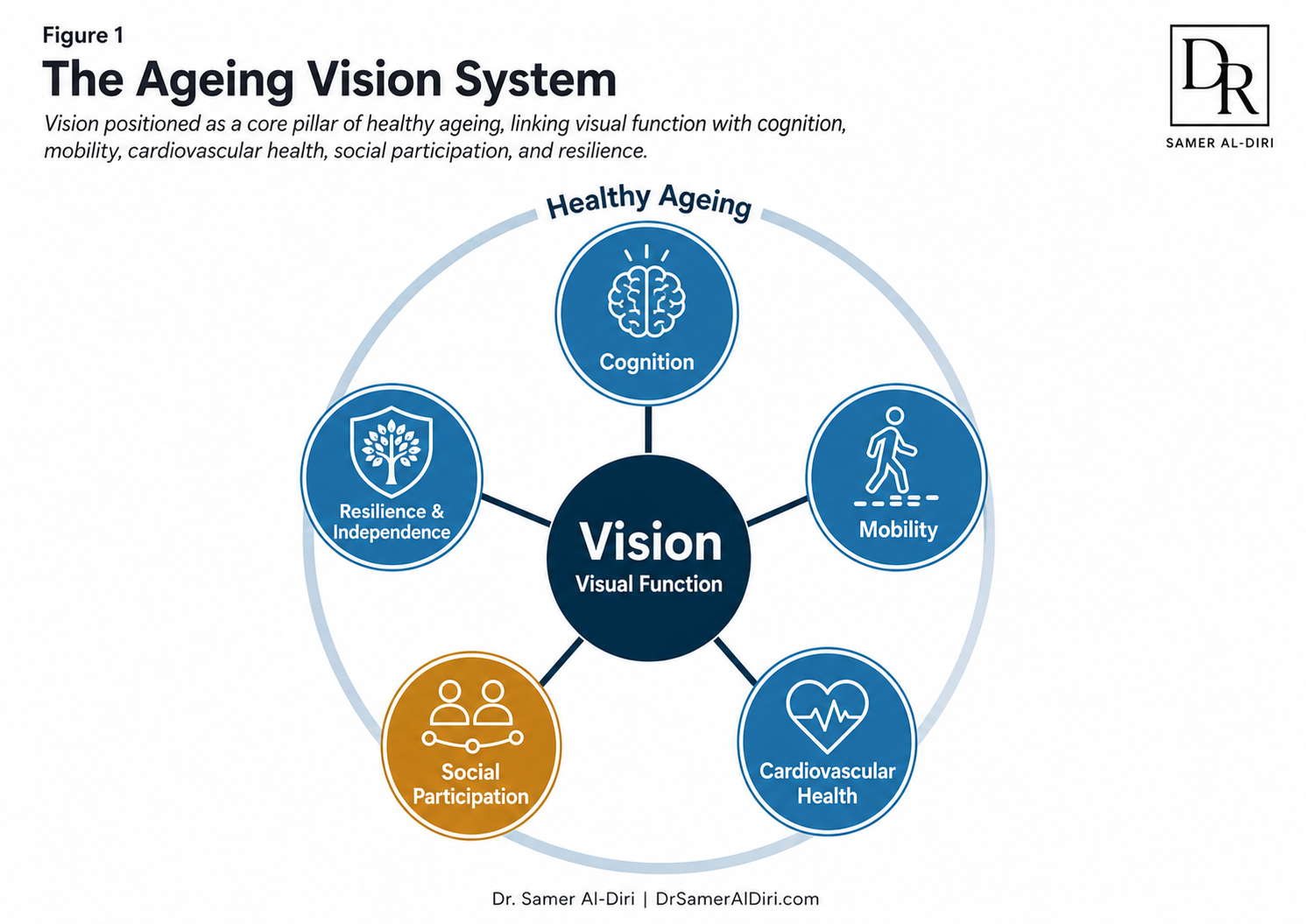
Figure 1. The Ageing Vision System. Vision is positioned as a core enabling function within healthy ageing, connected to cognition, mobility, cardiovascular health, social participation and resilience.
The Sustainable Vision Care Framework
The Sustainable Vision Care Framework is an integrative planning lens for future-ready eye services. Sustainability is not used as a synonym for cost cutting. It means the capacity to deliver safe, effective, equitable and person-centred care while adapting to demographic, therapeutic, technological and workforce change. [1, 38, 59]
| Pillar | Operational meaning |
|---|---|
| 1. Prevention and risk reduction | Smoking cessation, cardiovascular health, nutrition and evidence-based AREDS2 advice for appropriate patients. [36] |
| 2. Earlier detection and risk stratification | Accessible examination, imaging, referral and surveillance matched to disease stage and risk. |
| 3. Effective and equitable treatment | Treatments that are clinically appropriate, affordable, operationally deliverable and supported by shared decision-making. |
| 4. Rehabilitation and functional support | Low-vision rehabilitation, assistive technology, mobility support and psychological or social support when needed. [12, 43] |
| 5. Workforce and system capacity | Workforce planning, multidisciplinary roles, service redesign, imaging capacity and sustainable follow-up. [14, 15, 16, 17, 18, 44] |
| 6. Technology, data and accountable innovation | AI, teleophthalmology, home monitoring and registries used as pathway enablers under governance. [22, 23, 24, 30, 31, 45, 46, 53] |
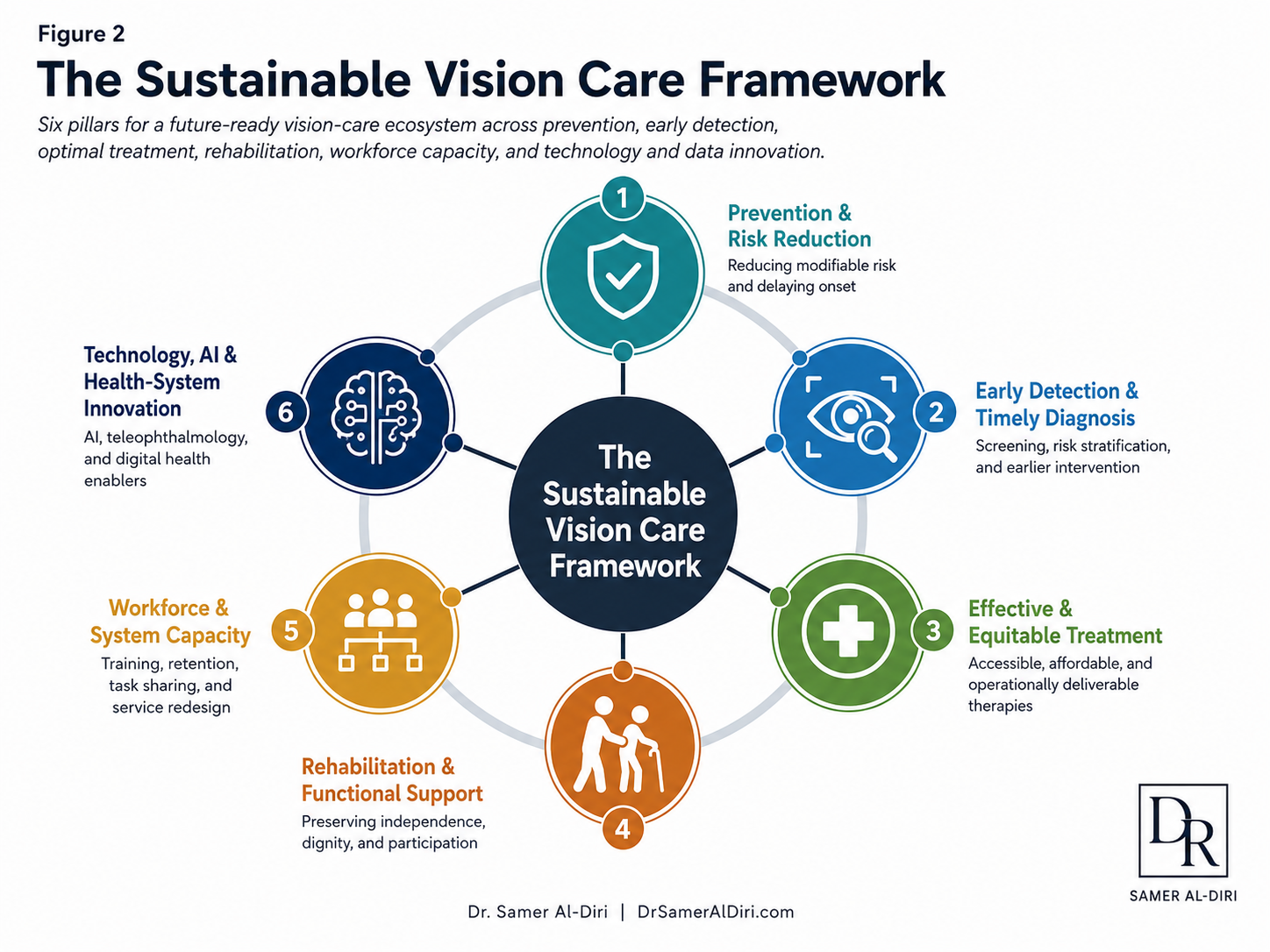
Figure 2. The Sustainable Vision Care Framework. Six connected pillars combine prevention, detection, treatment, rehabilitation, workforce capacity and governed technology.
The Vision Dividend
The Vision Dividend is a descriptive policy lens: preserving functional sight may protect independence, participation, wellbeing and reduce some downstream health and social-care needs. It should not be interpreted as a fixed return-on-investment ratio. The economic evidence supports substantial societal costs from vision impairment, but the return from any specific programme depends on population, intervention, price, access and outcome. [7, 16, 39, 40]
A responsible economic case therefore avoids unsupported claims that every unit of expenditure generates a predetermined multiple in savings. It asks instead which interventions deliver meaningful health and functional benefit at acceptable opportunity cost, and which system investments reduce avoidable loss or inequity.
| Planning implication Treat prevention, treatment and rehabilitation as one continuum. A technically advanced treatment pathway that neglects low-vision support, patient transport, mental wellbeing or caregiver burden is not fully person-centred. |
|---|
AMD and the Global Burden of Population Ageing
AMD prevalence increases steeply with age. The 2014 global meta-analysis estimated 196 million people living with AMD in 2020 and approximately 288 million by 2040. This remains the most commonly cited all-stage prevalence projection; it should not be rounded upward into an unsupported claim that AMD will exceed 300 million by 2040. [2]
A different metric is vision impairment attributable to AMD. The GBD 2021 analysis estimated 8.06 million people with vision impairment due to AMD in 2021 and forecast approximately 21.34 million by 2050. The difference between these figures is important: all-stage prevalence is not the same as vision impairment caused by AMD. [41]
European population studies illustrate the age gradient: late AMD prevalence rises from very low levels in the late fifties to much higher levels in the oldest age groups. Population ageing therefore amplifies demand even when age-specific risk remains stable. [5, 65]
GA is estimated to affect more than five million people worldwide. This estimate is reported in the contemporary PRIMA study and should be understood as an approximate global burden figure rather than a precise census. [29]
Geography matters. High-income systems may identify more disease because populations live longer and diagnostic access is greater. Many lower-resource systems face rapid ageing with far fewer ophthalmologists, limited OCT and concentrated urban services. The result may be simultaneous underdiagnosis and unmet need. [17, 18, 41, 59]
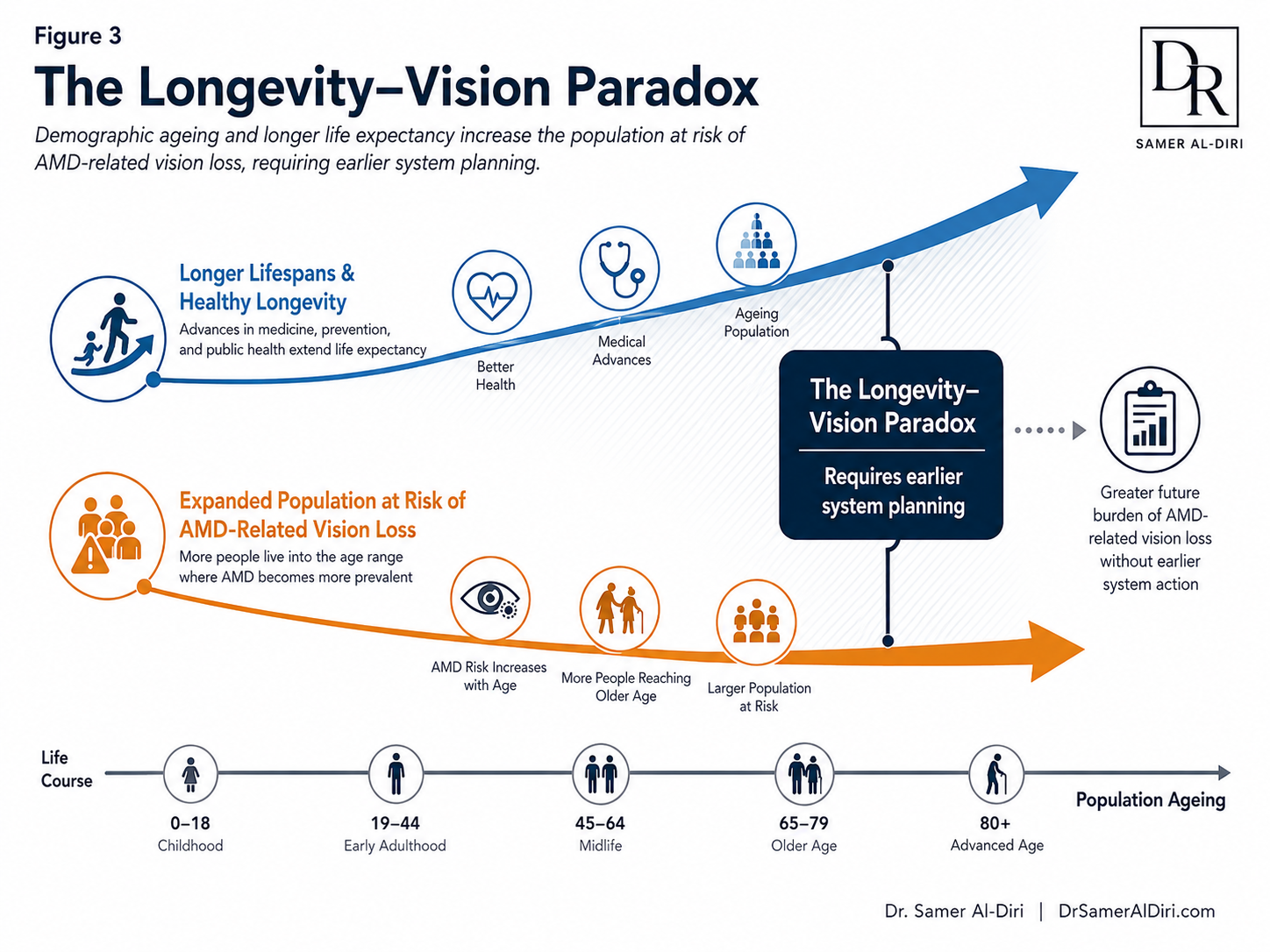
Figure 3. The Longevity-Vision Paradox. Longer life expands the population exposed to AMD and increases the need for earlier system planning.
| Interpretation rule Use the right denominator and outcome. Total AMD prevalence, late AMD, GA, neovascular AMD and AMD-attributable vision impairment are related but not interchangeable measures. |
|---|
The Human Impact of AMD
Retinal images and acuity are essential clinical measures, but they do not fully describe a life with AMD. Patients may struggle with reading speed, recognising faces, low-contrast environments, adaptation between light levels, driving, digital tasks and unfamiliar spaces. Functional impact varies with lesion location, the fellow eye, comorbidity, environment, coping and support. [9, 11, 42, 64]
Anxiety and depression are more common among people with AMD than among comparable groups without significant visual impairment, although prevalence estimates vary. The responsible clinical response is neither to assume distress in every patient nor to ignore it: ask about mood, confidence, isolation and activities the person has stopped doing. [8, 10]
Falls are another important concern. AMD and visual impairment are associated with increased fall and injury risk, but the evidence does not support using one universal 1.5- to 2-fold estimate across all patients and settings. Risk assessment should consider contrast sensitivity, mobility, balance, medications, home environment and other comorbidity. [6]
Family impact is real but should be quantified carefully. One cross-sectional study reported a mean informal-care burden of approximately 6.4 hours per week with wide variation; this is more defensible than repeating an unsupported 10-20 hours per week as if it applied universally. [13]
Low-vision rehabilitation can improve function and quality of life, yet access remains inconsistent. Rehabilitation should be offered alongside disease-modifying treatment and should not be framed as a sign that active care has failed. [12, 43]
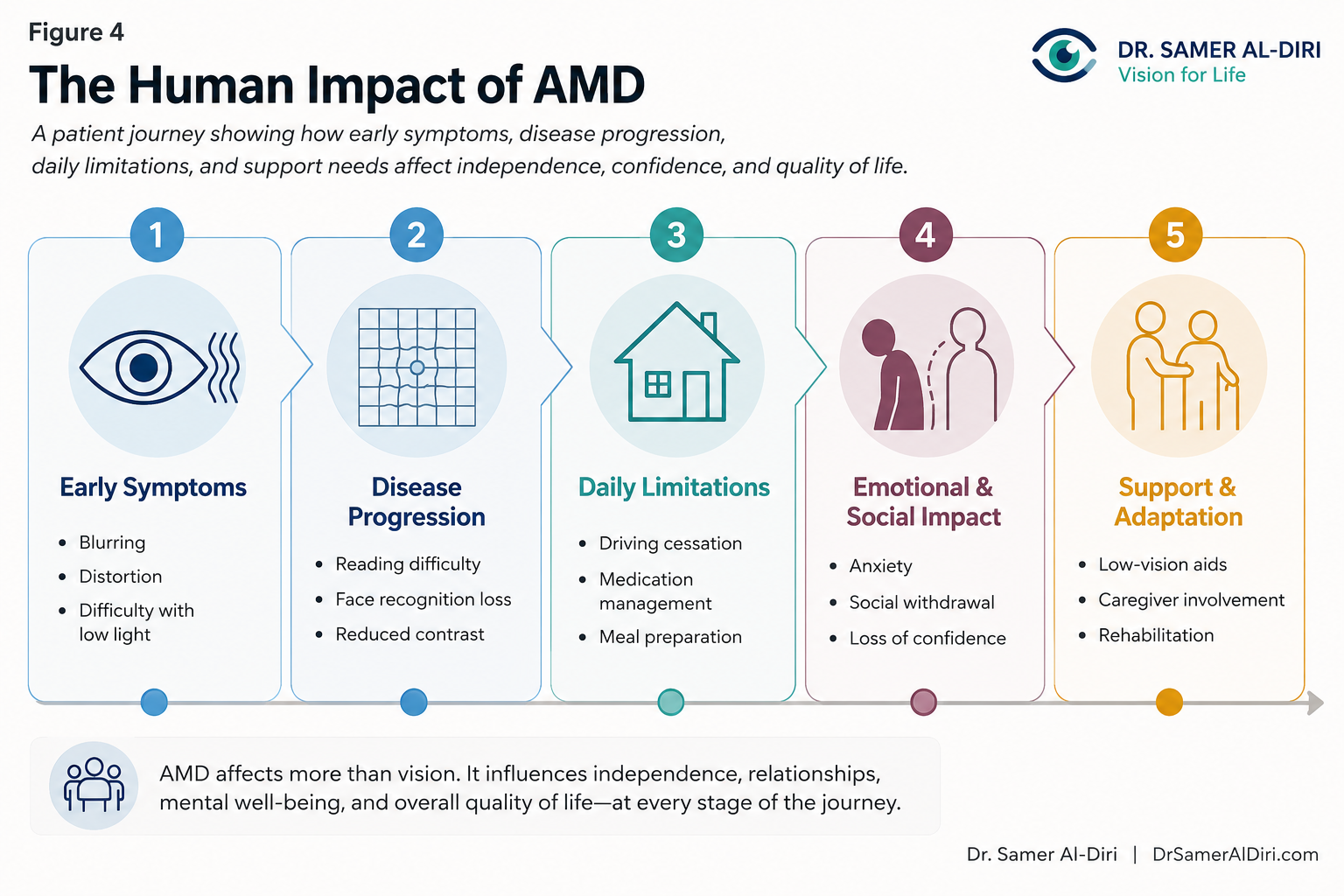
Figure 4. The Human Impact of AMD. A simplified patient journey showing how symptoms, disease progression, daily limitations and support needs affect independence and quality of life.
| Patient-centred question Do not ask only, “What is the acuity?” Ask, “What has become harder, what matters most to preserve, and what support would make daily life safer or more independent?” |
|---|
Health-System Impact of AMD
AMD generates cumulative service demand: assessment, multimodal imaging, chronic surveillance, repeated treatment, adverse-event management, rehabilitation and long-term support. Ophthalmology is already one of the largest outpatient specialties in systems such as the NHS, and intravitreal injection activity has become a major component of service volume. [14, 15, 44]
The imaging burden
OCT has improved diagnosis and monitoring, but every scan creates downstream work: acquisition, quality control, interpretation, documentation, storage and clinical action. The capacity question is not simply how many scanners a system owns; it is whether the pathway can turn images into timely decisions without hidden backlogs.
The injection burden
Anti-VEGF therapy is one of ophthalmology’s major successes. More durable options – faricimab, aflibercept 8 mg and the Port Delivery System in selected contexts – may reduce visit or injection frequency for some patients, but do not remove the need for monitoring, capacity and safe pathways. [32, 33, 34, 35]
GA treatment adds another potential volume layer. Repeated injections, eligibility assessment, counselling about modest anatomical benefit and uncertain functional translation, monitoring for exudation or inflammation, and long-term evaluation all require resources. [19, 25, 26, 27, 28, 72, 73, 74, 75]
Economic and equity implications
Late-stage AMD creates direct medical costs, informal-care burden, productivity loss and loss of wellbeing. Economic estimates differ by perspective and methodology; they support the seriousness of the burden but should not be converted into simplistic savings claims. [7, 13, 16]
Workforce distribution is profoundly unequal. The global ophthalmologist census estimated a mean 3.7 ophthalmologists per million population in low-income countries versus 76.2 per million in high-income countries. Retina subspecialty capacity and advanced imaging are more concentrated still. [17, 18]
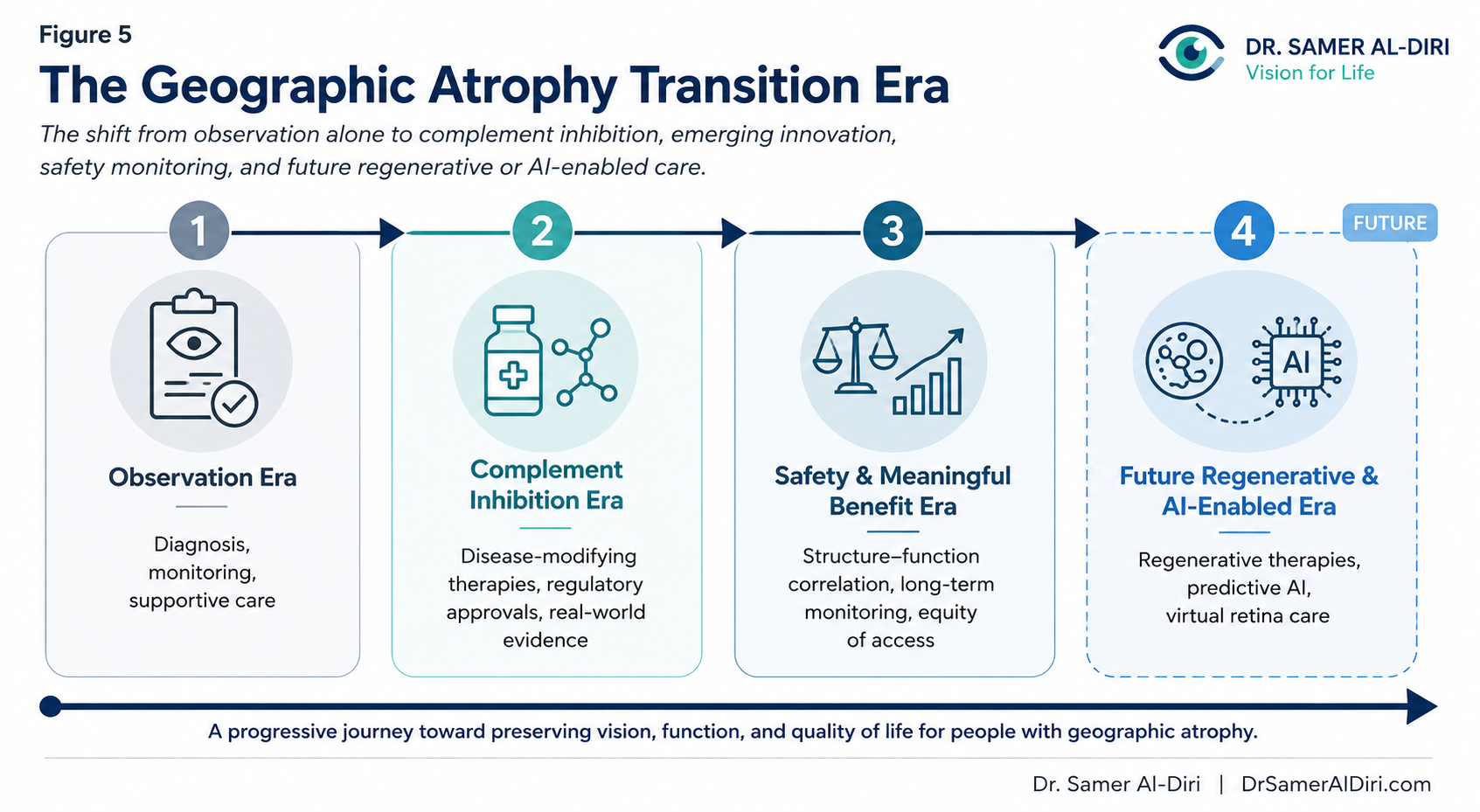
Figure 5. The Geographic Atrophy Transition Era. The field is moving from observation alone toward complement inhibition, safety surveillance, emerging innovation and future restorative or regenerative care.
| Management insight Scientific progress frequently increases workload before it reduces disability. Business cases for new retinal therapies should include the full operating model, not the drug price alone. |
|---|
Geographic Atrophy: Therapeutic Progress and Meaningful Benefit
GA is characterised by progressive loss of retinal pigment epithelium, photoreceptors and choriocapillaris. Lesions enlarge over time and may threaten or involve the fovea, affecting reading and central function. [66]
Complement inhibition
Pegcetacoplan inhibits complement C3 and avacincaptad pegol inhibits C5. In pivotal trials, both reduced the rate of GA lesion growth compared with sham. The magnitude varied by trial, dosing and timepoint, and the result is an anatomical slowing rather than restoration of lost retina. [25, 26, 27, 28, 52]
Updated evidence extends follow-up. GATHER2 reports two-year efficacy and safety for avacincaptad pegol, and GALE provides up to 36 months of pegcetacoplan exposure. These findings strengthen evidence that anatomical slowing can persist over longer treatment, while continuing to leave patient selection, treatment burden, safety and functional significance as central questions. [72, 73]
The Structure-Function Challenge
The Structure-Function Challenge is the gap between slower lesion enlargement and outcomes patients can feel. OAKS and DERBY did not demonstrate consistent improvement in best-corrected visual acuity, low-luminance measures or patient-reported function at 24 months. Absence of improvement does not prove that anatomical preservation is meaningless, because visual-function measures may be insensitive or follow-up may be insufficient. It does mean clinicians should not promise preserved reading or independence on the basis of lesion area alone. [25, 52]
Shared decision-making should therefore address baseline lesion location and growth, fellow-eye status, expected treatment frequency, injection burden, neovascular risk, inflammatory risk, uncertainty about functional benefit, patient priorities and local access. Some patients may value any plausible slowing; others may judge the burden or uncertainty differently.
Safety
Pegcetacoplan labelling includes warnings for retinal vasculitis and/or retinal vascular occlusion, as well as standard intravitreal-injection risks and increased neovascular AMD. Avacincaptad pegol does not carry the same retinal-vasculitis warning in current US labelling, but shares injection-related risks and an increased rate of neovascular AMD. Product-specific safety should be described accurately rather than merged into one class statement. [19, 28]
Post-marketing pharmacovigilance and real-world series provide useful signals but are vulnerable to reporting bias, incomplete denominators, selection and confounding. They support ongoing vigilance; they do not replace controlled comparative evidence. [74, 75]
Regulatory and access snapshot – verified to 25 July 2026
| Jurisdiction | Authority | Status and interpretation |
|---|---|---|
| United States | FDA | Pegcetacoplan and avacincaptad pegol are approved for GA secondary to AMD. Use depends on label, payer policy, capacity and shared decision-making. [19, 28] |
| European Union | EMA | Syfovre received a final negative opinion; the Izelvay application was withdrawn after concerns about effectiveness. [20, 67] |
| England | NICE | The pegcetacoplan appraisal was discontinued; this is not completed positive guidance. [21] |
| Australia | TGA | Syfovre was registered 29 January 2025 and Izervay 13 October 2025 for defined adult populations with intact fovea and threatened central vision. [68, 69] |
| Japan | MHLW conditional approval pathway | Izervay received conditional approval on 19 September 2025 for suppression of GA growth in atrophic AMD. [70] |
| China | NMPA / CDE | The Izervay new drug application was accepted and granted Priority Review on 15 May 2026; this should not be described as final approval. [71] |
This table deliberately excludes jurisdictions where a product-specific public decision could not be verified. Absence from the table should not be interpreted as approval, rejection or absence of access.
Emerging pipeline and restorative approaches
Research extends beyond first-generation complement inhibition. Gene-therapy programmes include OCU410 and JNJ-81201887; the discontinuation of GT005 demonstrates the uncertainty of development. Cell-replacement studies such as OpRegen remain investigational. [47, 48, 49, 50, 51]
Other phase 3 or late-stage programmes target mitochondrial function, the visual cycle and different complement nodes, including elamipretide, tinlarebant, vonaprument and cemdisiran with or without pozelimab. Trial status should be checked at the time of reading. [54, 55, 56, 57, 58]
PRIMA represents a different restorative paradigm. In an open-label, single-group study, 38 participants received a subretinal photovoltaic implant and 32 were assessed at 12 months; 26 of those 32 achieved a clinically meaningful visual-acuity improvement with the system. Serious adverse events occurred in 19 participants, most early after surgery. The result is promising but applies to a selected population and requires cautious interpretation, longer follow-up and comparative evidence. [29]
Evidence-Based Hope in AMD
Evidence-based hope avoids two errors: therapeutic nihilism and promotional optimism. The field has changed meaningfully, but no current treatment cures AMD, restores normal retinal tissue or removes the need for rehabilitation and monitoring.
| Evidence state | Responsible interpretation |
|---|---|
| Established | Anti-VEGF therapy preserves vision for many people with neovascular AMD; complement inhibitors slow GA lesion growth; AREDS2 supports risk reduction in appropriate patients; low-vision rehabilitation improves function for many people. [12, 32, 33, 34, 35, 36, 43, 52, 72, 73] |
| Promising but not routine | AI prediction and quantification, home OCT, gene therapy, cell replacement, retinal implants, visual-cycle modulation and neuroprotection. [22, 23, 24, 29, 30, 31, 46, 47, 48, 49, 50, 51, 52, 53, 54, 55, 56, 57, 58] |
| Uncertain | Long-term functional benefit of GA lesion slowing, optimal duration and frequency, comparative product selection, best patient subgroup, value for money, global scalability and equity. [20, 21, 25, 26, 27, 28, 52, 64, 66, 72, 73, 74, 75] |
Patients should be offered accurate information: what is known, what is plausible, what remains unknown and what can still be done now. Monitoring, risk-factor management, rehabilitation, assistive technologies, mental-health support and social connection remain active care, not therapeutic surrender.
| Core message Hope is strongest when it is specific. “We can slow this anatomical measure” is more trustworthy than “we can preserve your independence” unless the evidence supports that promise. |
|---|
Workforce Pressures and the Vision-Care Capacity Gap
The Vision-Care Capacity Gap describes the mismatch between people requiring care and the workforce, infrastructure and time available to deliver it. Workforce Mathematics is the practical analysis of demand, productivity, skill mix, treatment intensity and available capacity. Both are author-developed planning lenses, not validated equations.
| Workforce Mathematics Patient demand + treatment intensity + monitoring frequency + complexity must be compared with available clinician time, imaging capacity, injection capacity, support staff, space and financing. When demand grows faster than capacity, delay and inequity become predictable. |
|---|
The challenge is global. Ophthalmologist density differs by more than an order of magnitude between income groups, and the workforce is concentrated within countries as well as between them. In the United Kingdom, the RCOphth workforce census reported widespread consultant shortages and recruitment difficulty. [17, 18, 44]
Training a retina specialist takes many years and varies by jurisdiction; the article therefore avoids presenting a universal five- to seven-year period after medical qualification. Service redesign can sometimes expand capacity faster than specialist training, but must remain governed and safe.
Potential responses include nurse-led injection services, technician-led imaging, virtual review, optometrist or allied-professional monitoring, risk-based follow-up, patient navigation, better scheduling, home-enabled monitoring and AI-supported prioritisation. None removes the need for accountability, escalation rules and clinical oversight. [31, 44, 45, 53]
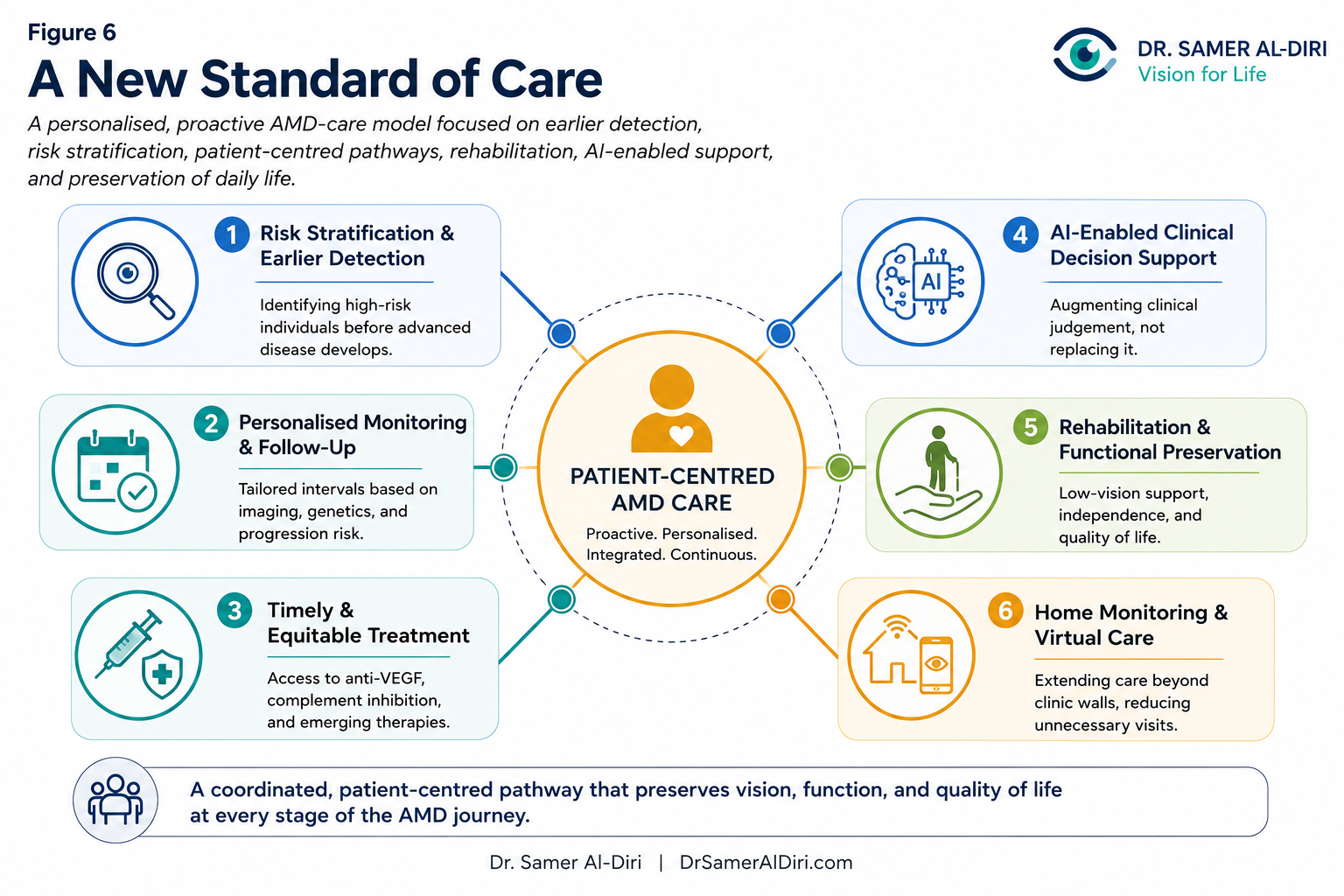
Figure 6. A New Standard of Care. A personalised, proactive AMD model built around earlier detection, risk stratification, rehabilitation, governed digital support and preservation of daily life.
Illustrative capacity scenario
If a service’s AMD-related demand rises by 40% while effective capacity rises by only 10%, a substantial gap emerges even when every staff member works harder. This is an illustrative planning scenario, not an evidence-derived forecast. Its purpose is to show why transparent assumptions and local modelling are essential.
| Executive warning Do not convert illustrative workforce targets in this article into universal mandates. Each system should model its own age structure, prevalence, referral thresholds, treatment eligibility, productivity, skill mix and geographic distribution. |
|---|
The Implementation Chasm
The Implementation Chasm is the distance between scientific possibility and real-world patient benefit. It includes regulatory evaluation, health-technology assessment, reimbursement, procurement, workforce, infrastructure, digital integration, referral, patient acceptability and equitable access.
GA provides a clear example. The same trial evidence produced different regulatory outcomes in the United States, European Union, Australia and Japan. Even within an approving jurisdiction, coverage, local capacity and patient preference determine whether a treatment is used. [19, 20, 21, 28, 67, 68, 69, 70, 71]
Implementation is not a final step that begins after approval. Workforce, imaging, consent, adverse-event pathways, registry design and equity analysis should be considered during evidence generation and appraisal. Delayed planning creates avoidable bottlenecks.
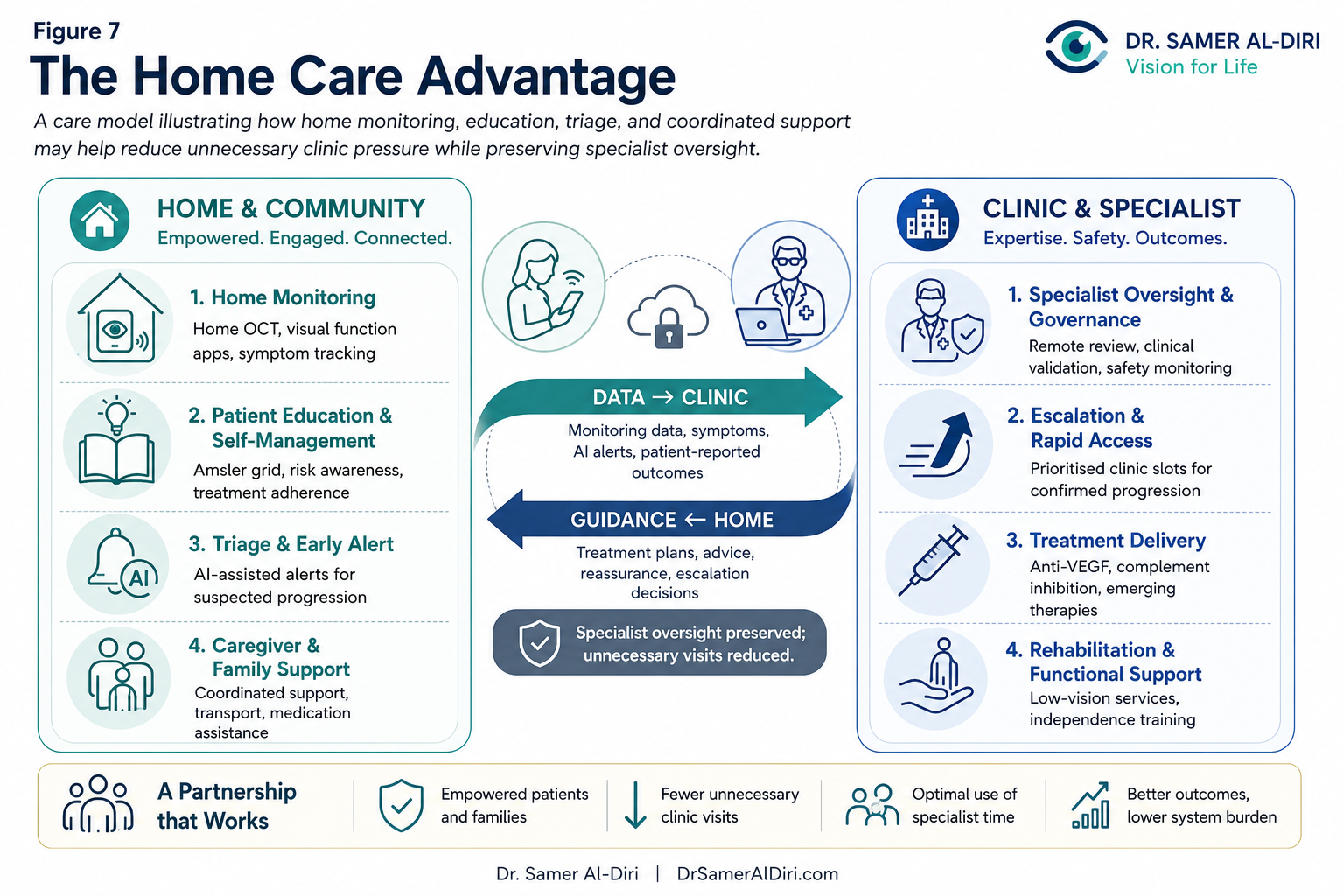
Figure 7. The Home Care Advantage. Home monitoring, education and coordinated triage may move suitable elements of care closer to patients while preserving specialist oversight.
Digital tools can narrow the chasm through remote monitoring, referral prioritisation and registry intelligence. They can also widen it when devices, broadband, digital literacy, language, accessibility or data systems exclude the people with greatest need. [31, 45, 53]
| Implementation test For every innovation ask: Who is eligible? Who is excluded? Who pays? Who delivers it? What capacity is displaced? What happens after an abnormal result or adverse event? Which patient-valued outcome will be measured? |
|---|
Artificial Intelligence and the Future of AMD Care
AI matters in AMD because the disease is imaging-rich, chronic and increasingly data-intensive. Potential uses include referral recommendation, disease classification, lesion segmentation, conversion-risk prediction, progression forecasting, trial enrichment, workflow prioritisation and remote monitoring. [22, 23, 24, 30, 45, 46]
What the evidence shows
The Moorfields/UCL-DeepMind study demonstrated a clinically oriented OCT referral framework across retinal disease. Yim and colleagues showed prediction of conversion to neovascular AMD from OCT. Models have also quantified GA and predicted progression from baseline imaging. These are important scientific advances. [22, 23, 24, 30, 46]
What the evidence does not yet show
Retrospective discrimination, segmentation accuracy or expert-comparison performance does not prove improved outcomes in routine care. Prospective studies must test workflow, false reassurance, over-referral, device variation, missing data, performance drift, human factors, accountability and patient outcomes. As of 25 July 2026, this review identified no widely adopted regulator-approved AI platform specifically authorised to direct GA treatment decisions.
Governance requirements
- Clinical validity in the intended population and imaging environment.
- External and prospective evaluation before scaled clinical reliance.
- Clear human oversight, escalation and responsibility for action.
- Monitoring for performance drift, safety, bias and inequitable access.
- Privacy, security, informed communication and lawful data use.
- Integration with workflows, capacity and patient navigation rather than isolated deployment. [45, 53]
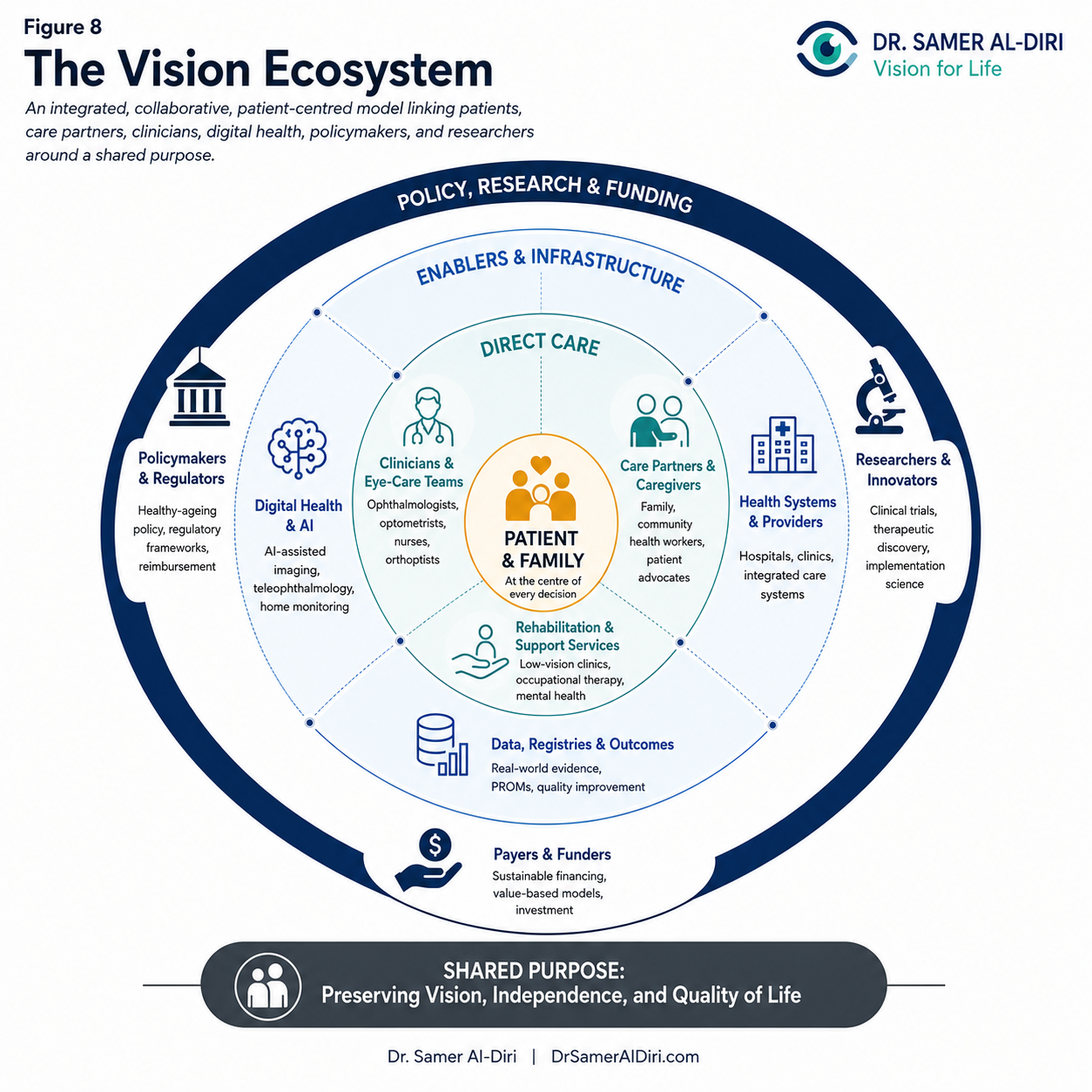
Figure 8. The Vision Ecosystem. Patients, care partners, clinicians, digital systems, policymakers and researchers share responsibility for safe, equitable and learning-oriented vision care.
AI should be judged by more than algorithm performance. A useful system should shorten clinically important delay, improve consistency, protect safety, reduce inappropriate workload or improve equity without creating unmanageable downstream demand.
| Governed innovation The strongest AI contribution is not replacing retinal expertise. It is helping the system use scarce expertise earlier, more consistently and more fairly while keeping responsibility visible. |
|---|
From Reactive Care to Future-Ready Vision Systems
A future-ready AMD system moves from episodic reaction toward prevention, risk stratification, timely treatment, rehabilitation, digitally supported monitoring and continuous learning. It does not require the same technology in every setting; it requires a coherent pathway and clear accountability.
| Strategic priority | Required system response |
|---|---|
| Earlier detection and risk-based prevention | Smoking cessation, cardiovascular risk management, appropriate AREDS2 advice, accessible assessment and surveillance. [36] |
| Workforce planning | Local demand models, skill mix, training, retention, virtual review and protected escalation capacity. [17, 18, 44] |
| GA readiness | Product-specific protocols, shared decision-making, imaging capacity, safety response and registry outcomes. [19, 20, 21, 25, 26, 27, 28, 67, 68, 69, 70, 71, 72, 73, 74, 75] |
| Responsible AI | Prospective evaluation, governance, integration and equity monitoring. [22, 23, 24, 30, 45, 46, 53] |
| Rehabilitation and support | Low-vision services, assistive technology, mobility, emotional support and caregiver information. [12, 13, 43] |
| Outcome-centred financing | Value assessment that includes functional outcome, burden, equity, opportunity cost and long-term uncertainty. |
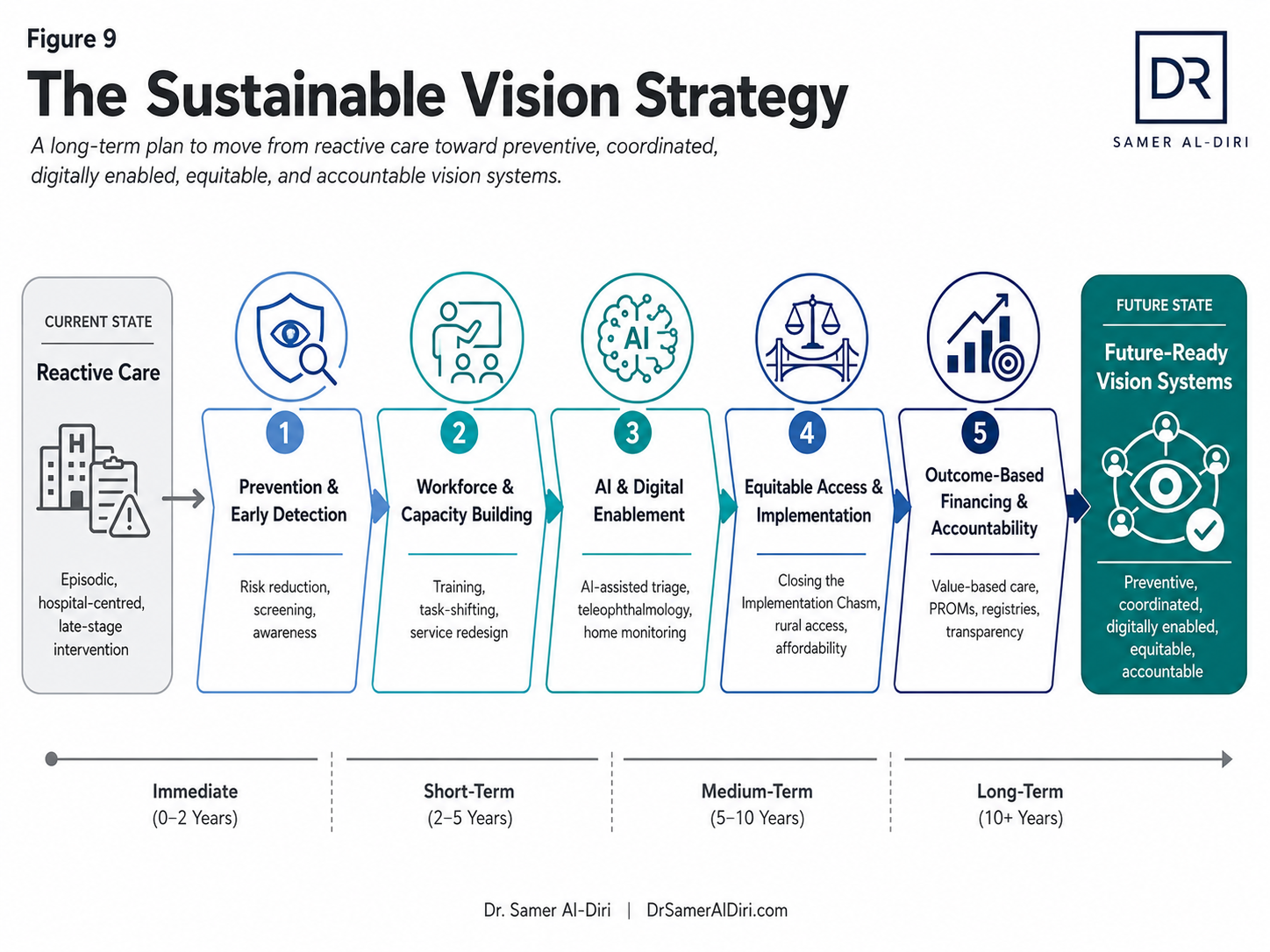
Figure 9. The Sustainable Vision Strategy. A long-term shift from reactive treatment toward preventive, coordinated, digitally enabled, equitable and accountable vision systems.
Illustrative planning horizons
The horizons below are planning prompts, not evidence-based deadlines:
- Immediate: audit demand, waiting time, imaging, injections, rehabilitation, GA readiness and workforce distribution.
- Two to five years: redesign skill mix, build registries, strengthen patient navigation, evaluate AI prospectively and improve home-enabled pathways where appropriate.
- Five to ten years: integrate risk-based care, adaptive financing, mature real-world evidence and resilient regional networks.
| Measurement principle Count activity, but judge success by preserved function, avoided delay, safety, patient experience, equity and sustainability. |
|---|
The Future of AMD Care: Seven Forecasts
These forecasts are informed scenarios, not certainties. Confidence ratings reflect current evidence and direction of travel; they should be revised as trials, regulation, reimbursement and workforce conditions change.
| Forecast | Confidence | Rationale |
|---|---|---|
| 1. AMD becomes more visible in healthy-ageing policy | High | Vision and functional ability are increasingly connected in global policy, although national uptake will vary. [37, 38, 39, 40, 59, 62, 63] |
| 2. AI becomes embedded in selected imaging workflows | High | Use will expand, but the pace will depend on prospective evidence, reimbursement, interoperability and governance. [22, 23, 24, 30, 45, 46, 53] |
| 3. Home monitoring expands selectively | Moderate | Home OCT and digital monitoring may reduce burden for selected patients; universal or 50% adoption by 2040 is not supported and is therefore not predicted here. [31] |
| 4. GA treatment demand grows in approving jurisdictions | High | Assessment demand is likely to rise, but adoption will depend on benefit interpretation, safety, coverage, capacity and patient choice. [19, 25, 26, 27, 28, 68, 69, 70, 71, 72, 73, 74, 75] |
| 5. Workforce becomes a dominant bottleneck | High | Demography, imaging and treatment intensity are likely to outpace workforce growth in many systems without redesign. [14, 15, 16, 17, 18, 44] |
| 6. Restorative and regenerative approaches advance, with setbacks | Moderate | Retinal implants, cell therapy and gene therapy will progress unevenly; trial failure and narrow indications should be expected. [29, 47, 48, 49, 50, 51] |
| 7. Equity determines population benefit | High | The same innovation will produce different outcomes where geography, income, digital access or service capacity differ. [17, 18, 38, 59] |
Potential disruptors include unexpected safety findings, failed trials, regulatory changes, recession, workforce loss, cybersecurity incidents, supply-chain constraints and public-health emergencies. Strategic planning should therefore build adaptability rather than one rigid future.
Executive Recommendations
Evidence labels indicate the type and maturity of support, not the importance of the recommendation. Health-system design questions often cannot be tested through conventional randomised trials.
| Recommendation | Evidence | Action |
|---|---|---|
| 1. Integrate vision into healthy-ageing policy | Moderate | Include functional vision, rehabilitation and access measures in ageing strategies. [37, 38, 39, 40, 59, 62, 63] |
| 2. Commission local workforce and capacity forecasts | Moderate | Model demography, imaging, injections, skill mix, retirement, geography and productivity; avoid universal percentage targets. [14, 15, 16, 17, 18, 44] |
| 3. Build transparent GA pathways | Moderate | Define eligibility, consent, safety, escalation, registry outcomes and equity before scaling. [19, 20, 21, 25, 26, 27, 28, 67, 68, 69, 70, 71, 72, 73, 74, 75] |
| 4. Align implementation planning with appraisal | Moderate | Require operational and workforce plans alongside adoption decisions. |
| 5. Deploy AI under lifecycle governance | Moderate | Prospective evaluation, monitoring, accountability and equity are mandatory. [22, 23, 24, 30, 45, 46, 53] |
| 6. Expand rehabilitation and patient navigation | High | Make low-vision and practical support routine components of AMD care. [12, 43] |
| 7. Build real-world outcome registries | Moderate | Capture safety, treatment burden, lesion change, patient-reported function and equity. [72, 73, 74, 75] |
| 8. Strengthen regional and community access | Moderate | Use hub-and-spoke, teleophthalmology and appropriate task sharing without weakening escalation. [17, 18, 38, 59] |
| 9. Design for resilience | Low to moderate | Scenario-test workforce loss, digital failure, supply disruption and demand surges. |
| 10. Finance outcomes patients value | Moderate | Include function, burden, uncertainty and opportunity cost rather than rewarding activity alone. [9, 11, 16, 42, 64] |
| Important qualification The article’s earlier numerical targets for workforce expansion, adoption and disparity reduction have been removed or explicitly recast as illustrative planning scenarios. They were not supported as universal evidence-based thresholds. |
|---|
Adapting Sustainable Vision Care Across Contexts
No single AMD strategy fits every country. The framework’s principles are shared; the sequence and tools must reflect local workforce, ageing trajectory, financing, geography, infrastructure and patient priorities.
| Context | Priority sequence |
|---|---|
| Resource-constrained or remote setting | Awareness, smoking cessation, basic examination, referral, regional imaging access, low-vision support, community navigation and realistic escalation routes. |
| Developing regional service | Hub-and-spoke OCT, trained non-physician workforce, teleophthalmology, structured referral, affordable transport and outcome tracking. |
| Mature high-volume service | Risk-based review, virtual clinics, multidisciplinary roles, home monitoring for selected patients, GA pathways, registries and prospective AI evaluation. |
| All settings | Patient communication, rehabilitation, equity monitoring, governance and accountable follow-up. |
In lower-resource settings, the highest-value intervention may not be an expensive new therapy. It may be earlier referral, basic imaging, tobacco control, affordable rehabilitation or a reliable transport and follow-up mechanism. In mature systems, the challenge may be reducing backlog and treatment burden while maintaining safety.
AI can have high relative value where specialist expertise is scarce, but only if devices, connectivity, language, maintenance, referral capacity and accountability are designed together. Technology that identifies disease without a reachable service may increase anxiety and inequity.
| Context rule Start where the system is. Preserve the principles; adapt the tools. |
|---|
Call to Action
Population ageing turns millions of quiet individual losses into a shared health-system responsibility. The task is not only to invent better retinal therapies, but to build systems capable of preserving reading, faces, mobility, participation and dignity.
Governments should integrate vision into healthy-ageing strategy. Health systems should publish capacity assessments and prepare GA pathways before demand peaks. Professional societies should support workforce redesign and patient-centred outcomes. Regulators and payers should communicate uncertainty transparently. Researchers should pursue functional benefit and diverse real-world evidence. Technology developers should prove clinical utility, not only algorithm performance.
Patients and families must be partners in this agenda. Their decisions, burdens and priorities cannot be inferred solely from lesion area or acuity. Public reporting should include access, treatment burden, patient-reported outcome, rehabilitation and equity.
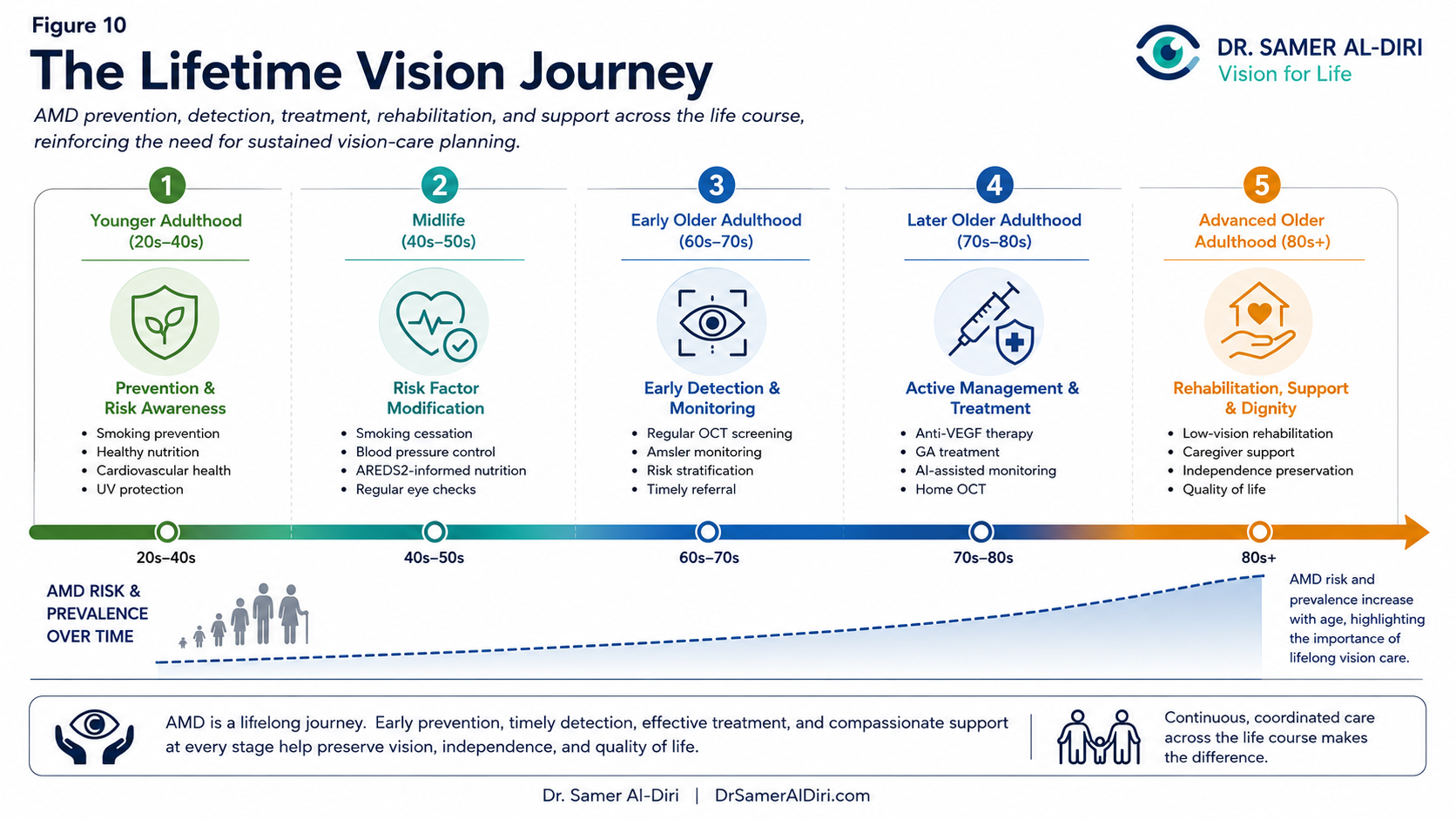
Figure 10. The Lifetime Vision Journey. Prevention, detection, treatment, rehabilitation and support require sustained planning across ageing and changing health needs.
| Shared objective Every health system should be able to explain how it will detect AMD, manage urgent conversion, assess GA treatment, support rehabilitation, monitor safety and protect equitable access as its population ages. |
|---|
Final Reflection
AMD is a retinal disease, but it is also a defining challenge of ageing societies. Longer life is only a complete triumph when function, independence and participation are protected alongside survival.
The Longevity-Vision Paradox names the demographic tension. The Ageing Vision System broadens the policy frame. The Sustainable Vision Care Framework connects prevention, treatment, rehabilitation, workforce and technology. The Structure-Function Challenge keeps patient-valued benefit visible. Workforce Mathematics and the Vision-Care Capacity Gap expose delivery constraints. The Implementation Chasm explains why scientific success can fail to become equitable access.
These concepts are not substitutes for clinical guidance or empirical validation. They are tools for seeing the whole problem. Their value will depend on whether clinicians, researchers, patients and leaders test, improve or reject them in the light of evidence.
If there is one message to leave with the reader, it is this: preserving sight is not a narrow ophthalmic ambition. It protects independence, memory, work, family life and the confidence to remain part of the world.
| Final message The future of AMD care will be judged not by the sophistication of its technologies alone, but by the capabilities people are able to preserve. |
|---|
Limitations and Unresolved Questions
This is a selective narrative synthesis, not a systematic review. Search methods were structured but not designed for exhaustive reproducibility, formal risk-of-bias assessment or meta-analysis. Evidence may have been missed, and regulatory or trial status may change after 25 July 2026.
Several sections integrate clinical evidence with health-system and policy reasoning. Some recommendations rest on observational evidence, implementation research or conceptual analysis because randomised trials are unavailable or inappropriate. Evidence labels should therefore be interpreted in context.
The author-developed concepts are descriptive lenses. They have not undergone Delphi consensus, psychometric testing, predictive validation or prospective implementation evaluation. Future work should operationalise definitions, test reproducibility and evaluate whether the frameworks improve planning or outcomes.
Major unresolved questions include: which GA patients derive meaningful long-term functional benefit; optimal frequency and duration; comparative safety and value; treatment-selection biomarkers; effect on reading and independence; scalable registry design; equitable access; and how best to combine therapy with rehabilitation. [24, 25, 26, 27, 28, 29, 30, 42, 46, 52, 64, 66, 72, 73, 74, 75]
AI evidence needs more prospective and comparative implementation studies across devices, populations and settings. Pipeline evidence requires larger controlled trials, long-term safety and transparent reporting. [22, 23, 24, 29, 30, 31, 45, 46, 47, 48, 49, 50, 51, 52, 53, 54, 55, 56, 57, 58]
| Interpretive boundary The article supports informed planning and discussion. It does not provide individual treatment advice or claim that one regulatory outcome is universally correct. |
|---|
Competing Interests
The author declares no financial, commercial, institutional or personal interests that could influence the content of this work.
Funding Statement
No external funding was received for the preparation, analysis, writing or publication of this work.
Ethical Approval and Data Availability
This narrative reference publication does not report original human-subject research, patient-level data or identifiable clinical information. Formal ethical approval was not required. No original dataset was generated or analysed.
Author Biography
Dr. Samer Al-Diri, MD, MSc, MPH, is a UK-trained ophthalmologist, public-health professional and strategic healthcare consultant. His work spans healthcare management, health-system transformation, clinical governance, prevention, responsible digital health and eye health.
Suggested Citation
Al-Diri S. Age-Related Macular Degeneration: Population Ageing, Health-System Impact, Artificial Intelligence, and the Future of Sustainable Vision Care – Preserving Sight in an Ageing World. Version 1.1. Revised 25 July 2026. DrSamerAlDiri.com. 2026. Available from: https://drsameraldiri.com/age-related-macular-degeneration-population-ageing-health-system-impact-artificial-intelligence-and-the-future-of-sustainable-vision-care/ DOI: https://doi.org/10.13140/RG.2.2.17390.57923
Open Access Licensing Statement
© 2026 Dr. Samer Al-Diri. This work is licensed under the Creative Commons Attribution-NonCommercial-NoDerivatives 4.0 International Licence (CC BY-NC-ND 4.0). It may be shared with attribution for non-commercial purposes without modification. For translations, adaptations, derivative works or commercial use, contact the author.
Creative Commons CC BY-NC-ND 4.0
How to Cite the Central Framework
| Suggested wording Al-Diri’s Sustainable Vision Care Framework integrates prevention, earlier detection, effective and equitable treatment, rehabilitation, workforce capacity, and governed technology as six interdependent functions of future-ready vision systems. |
|---|
Key Author-Developed Concepts
| Concept | Meaning in this article |
|---|---|
| Longevity-Vision Paradox | Longer lives increase cumulative exposure to age-related visual impairment and demand for preservation. |
| Geographic Atrophy Transition Era | The move from observation alone toward disease modification, safety surveillance and emerging restorative options. |
| Ageing Vision System | Vision as an enabling function within healthy ageing. |
| Sustainable Vision Care Framework | Six linked functions for future-ready care. |
| Vision Dividend | Potential health, social and system benefit from preserved functional sight; not a fixed economic multiplier. |
| Structure-Function Challenge | The uncertainty between anatomical slowing and patient-valued functional benefit. |
| Workforce Mathematics / Capacity Gap | Planning lenses linking demand, intensity and available delivery capacity. |
| Implementation Chasm | The distance between evidence or approval and equitable real-world benefit. |
| Vision-System Resilience | The capacity to adapt while maintaining safe, equitable care. |
| Intelligent Vision System | A governed ecosystem integrating imaging, AI, records, monitoring and clinical oversight. |
Medical, Policy and AI Disclaimer
This publication is educational and informational. Clinical decisions should be made by appropriately qualified professionals using current evidence, local guidelines, product information, patient circumstances and regulatory requirements. Policy recommendations should be adapted to local law, financing, workforce and governance. AI systems require validation, oversight, data protection, equity assessment and ongoing monitoring.
Abbreviations
| Abbreviation | Meaning |
|---|---|
| AI | Artificial intelligence |
| AMD | Age-related macular degeneration |
| AREDS2 | Age-Related Eye Disease Study 2 |
| BCVA | Best-corrected visual acuity |
| C3 / C5 | Complement components 3 and 5 |
| EMA | European Medicines Agency |
| FDA | US Food and Drug Administration |
| GA | Geographic atrophy |
| GBD | Global Burden of Disease |
| HTA | Health technology assessment |
| IPEC | Integrated people-centred eye care |
| LMIC | Low- and middle-income country |
| MHLW | Japan Ministry of Health, Labour and Welfare |
| NICE | National Institute for Health and Care Excellence |
| NMPA | China National Medical Products Administration |
| OCT / OCTA | Optical coherence tomography / angiography |
| PROM | Patient-reported outcome measure |
| RPE | Retinal pigment epithelium |
| TGA | Therapeutic Goods Administration, Australia |
| VEGF | Vascular endothelial growth factor |
| WHO | World Health Organization |
References
1. World Health Organization. World report on vision. Geneva: WHO; 2019. WHO source
2. Wong WL, Su X, Li X, et al. Global prevalence of age-related macular degeneration and disease burden projection for 2020 and 2040: a systematic review and meta-analysis. Lancet Glob Health. 2014;2(2):e106-e116. doi:10.1016/S2214-109X(13)70145-1. Open DOI
3. Flaxman SR, Bourne RRA, Resnikoff S, et al. Global causes of blindness and distance vision impairment 1990-2020: a systematic review and meta-analysis. Lancet Glob Health. 2017;5(12):e1221-e1234. doi:10.1016/S2214-109X(17)30393-5. Open DOI
4. GBD 2019 Blindness and Vision Impairment Collaborators; Vision Loss Expert Group. Causes of blindness and vision impairment in 2020 and trends over 30 years. Lancet Glob Health. 2021;9(2):e144-e160. doi:10.1016/S2214-109X(20)30489-7. Open DOI
5. United Nations, Department of Economic and Social Affairs. World Population Ageing 2020 Highlights. New York: United Nations; 2020. External link
6. Wood JM, Lacherez P, Black AA, Cole MH, Boon MY, Kerr GK. Risk of falls, injurious falls, and other injuries resulting from visual impairment among older adults with age-related macular degeneration. Invest Ophthalmol Vis Sci. 2011;52(8):5088-5092. doi:10.1167/iovs.10-6644. Open DOI
7. Marques AP, Ramke J, Cairns J, et al. Global economic productivity losses from vision impairment and blindness. EClinicalMedicine. 2021;35:100852. doi:10.1016/j.eclinm.2021.100852. Open DOI
8. Dawson SR, Mallen CD, Gouldstone MB, Yarham R, Mansell G. The prevalence of anxiety and depression in people with age-related macular degeneration: a systematic review of observational study data. BMC Ophthalmol. 2014;14:78. doi:10.1186/1471-2415-14-78. Open DOI
9. Taylor DJ, Hobby AE, Binns AM, Crabb DP. How does age-related macular degeneration affect real-world visual ability and quality of life? A systematic review. BMJ Open. 2016;6:e011504. doi:10.1136/bmjopen-2016-011504. Open DOI
10. Hwang S, Kang SW, Choi J, et al. Association between age-related macular degeneration and depression: a nationwide population-based cohort study. Ophthalmology. 2023;130(8):839-848. doi:10.1016/j.ophtha.2023.01.014. Open DOI
11. Hassell JB, Lamoureux EL, Keeffe JE. Impact of age-related macular degeneration on quality of life. Br J Ophthalmol. 2006;90(5):593-596. doi:10.1136/bjo.2005.086595. Open DOI
12. van Nispen RMA, Virgili G, Hoeben M, et al. Low vision rehabilitation for better quality of life in visually impaired adults. Cochrane Database Syst Rev. 2020;1:CD006543. doi:10.1002/14651858.CD006543.pub2. Open DOI
13. Weyer-Wendl H, Walter P. Financial and time burden for families of patients with age-related macular degeneration: a cross-sectional study. Health Econ Rev. 2016;6:21. doi:10.1186/s13561-016-0116-4. Open DOI
14. NHS England. Hospital outpatient activity: ophthalmology specialty data and supporting publications. London: NHS England. External link
15. Public Health England. Atlas of Variation in Risk Factors and Healthcare for Vision in England: intravitreal injection therapy. London: Public Health England; 2021. External link
16. Paudel N, Brady L, Stratieva P, et al. Economic burden of late-stage age-related macular degeneration in Bulgaria, Germany, and the United States. JAMA Ophthalmol. 2024;142(12):1123-1130. doi:10.1001/jamaophthalmol.2024.4401. Open DOI
17. Resnikoff S, Lansingh VC, Washburn L, et al. Estimated number of ophthalmologists worldwide (International Council of Ophthalmology update): will we meet the needs? Br J Ophthalmol. 2020;104(4):588-592. doi:10.1136/bjophthalmol-2019-314336. Open DOI
18. Graham R. Facing the crisis in human resources for eye health in sub-Saharan Africa. Community Eye Health. 2017;30(100):85-87. External link
19. US Food and Drug Administration. SYFOVRE (pegcetacoplan injection), for intravitreal use: prescribing information. Updated 2025. FDA source
20. European Medicines Agency. Syfovre (pegcetacoplan): refusal of marketing authorisation. Final opinion adopted 19 September 2024. EMA source
21. National Institute for Health and Care Excellence. Pegcetacoplan for treating geographic atrophy [ID4041 / GID-TA11351]: appraisal discontinued. London: NICE; 2026. External link
22. De Fauw J, Ledsam JR, Romera-Paredes B, et al. Clinically applicable deep learning for diagnosis and referral in retinal disease. Nat Med. 2018;24(9):1342-1350. doi:10.1038/s41591-018-0107-6. Open DOI
23. Yim J, Chopra R, Spitz T, et al. Predicting conversion to wet age-related macular degeneration using deep learning. Nat Med. 2020;26(6):892-899. doi:10.1038/s41591-020-0867-7. Open DOI
24. Reiter GS, Lachinov D, Buehl W, et al. A novel management challenge in age-related macular degeneration: artificial intelligence and expert prediction of geographic atrophy. Ophthalmol Retina. 2025;9(5):421-430. doi:10.1016/j.oret.2024.10.029. Open DOI
25. Heier JS, Lad EM, Holz FG, et al. Pegcetacoplan for geographic atrophy secondary to age-related macular degeneration (OAKS and DERBY): two phase 3 trials. Lancet. 2023;402(10411):1434-1448. doi:10.1016/S0140-6736(23)01520-9. Open DOI
26. Khanani AM, Patel SS, Staurenghi G, et al. Efficacy and safety of avacincaptad pegol in geographic atrophy (GATHER2): 12-month results from a phase 3 trial. Lancet. 2023;402(10411):1449-1458. doi:10.1016/S0140-6736(23)01583-0. Open DOI
27. Patel SS, Lally DR, Hsu J, et al. Avacincaptad pegol for geographic atrophy: 18-month findings from the GATHER1 trial. Eye (Lond). 2023;37(17):3551-3557. doi:10.1038/s41433-023-02497-w. Open DOI
28. US Food and Drug Administration. IZERVAY (avacincaptad pegol intravitreal solution): prescribing information and Drug Trials Snapshot. Updated 2025. FDA source
29. Holz FG, Le Mer Y, Muqit MMK, et al. Subretinal photovoltaic implant to restore vision in geographic atrophy due to AMD. N Engl J Med. 2026;394(3):232-242. doi:10.1056/NEJMoa2501396. Open DOI
30. Zhang G, Fu DJ, Liefers B, et al. Deep learning for detection and quantification of geographic atrophy from optical coherence tomography: development and external validation. Lancet Digit Health. 2021;3(10):e665-e675. doi:10.1016/S2589-7500(21)00134-5. Open DOI
31. Holekamp NM, de Beus AM, Clark WL, Heier JS. Prospective trial of home optical coherence tomography-guided management of treatment-experienced neovascular AMD. Retina. 2024;44(10):1714-1731. doi:10.1097/IAE.0000000000004167. Open DOI
32. Khanani AM, Guymer RH, Wykoff CC, et al. TENAYA and LUCERNE: two-year results for faricimab with treat-and-extend dosing in neovascular AMD. Ophthalmology. 2024;131(8):914-926. doi:10.1016/j.ophtha.2024.02.014. Open DOI
33. Heier JS, Khanani AM, Quezada Ruiz C, et al. Faricimab up to every 16 weeks for neovascular AMD (TENAYA and LUCERNE): phase 3 non-inferiority trials. Lancet. 2022;399(10326):729-740. doi:10.1016/S0140-6736(22)00010-1. Open DOI
34. Lanzetta P, Korobelnik JF, Heier JS, et al. Intravitreal aflibercept 8 mg in neovascular AMD (PULSAR): 48-week results from a phase 3 trial. Lancet. 2024;403(10432):1141-1152. doi:10.1016/S0140-6736(24)00063-1. Open DOI
35. Holekamp NM, Campochiaro PA, Chang MA, et al. Archway phase 3 trial of the Port Delivery System with ranibizumab for neovascular AMD. Ophthalmology. 2022;129(3):295-307. doi:10.1016/j.ophtha.2021.09.016. Open DOI
36. Chew EY, Clemons TE, SanGiovanni JP, et al; AREDS2 Research Group. Lutein plus zeaxanthin and omega-3 fatty acids for age-related macular degeneration: AREDS2. JAMA. 2013;309(19):2005-2015. doi:10.1001/jama.2013.4997. Open DOI
37. World Health Organization. World report on ageing and health. Geneva: WHO; 2015. WHO source
38. World Health Organization. Package of eye care interventions and integrated people-centred eye care resources. Geneva: WHO; 2022. WHO source
39. Organisation for Economic Co-operation and Development. Health at a Glance 2023: OECD Indicators. Paris: OECD Publishing; 2023. External link
40. World Bank. Unlocking the Power of Healthy Longevity: Demographic Change, Non-communicable Diseases, and Human Capital. Washington, DC: World Bank; 2024. External link
41. GBD 2021 Global AMD Collaborators. Global burden of vision impairment due to age-related macular degeneration, 1990-2021, with forecasts to 2050. Lancet Glob Health. 2025;13(7):e1175-e1190. doi:10.1016/S2214-109X(25)00143-3. Open DOI
42. Sivaprasad S, Tschosik EA, Guymer RH, et al. Living with geographic atrophy: an ethnographic study of patient experience. Ophthalmol Ther. 2019;8(1):115-124. doi:10.1007/s40123-019-0160-3. Open DOI
43. Binns AM, Bunce C, Dickinson C, et al. How effective is low vision service provision? A systematic review. Surv Ophthalmol. 2012;57(1):34-65. doi:10.1016/j.survophthal.2011.06.006. Open DOI
44. Royal College of Ophthalmologists. Workforce Census 2022: Ophthalmology Workforce and Capacity. London: RCOphth; 2023. External link
45. Ting DSW, Pasquale LR, Peng L, et al. Artificial intelligence and deep learning in ophthalmology. Br J Ophthalmol. 2019;103(2):167-175. doi:10.1136/bjophthalmol-2018-313173. Open DOI
46. Mai J, Lachinov D, Schwab C, et al. Prediction of geographic atrophy progression from a single baseline optical coherence tomography scan using deep learning. Ophthalmol Sci. 2024;4(6):100466. doi:10.1016/j.xops.2024.100466. Open DOI
47. ClinicalTrials.gov. OCU410 ArMaDa gene-therapy study for geographic atrophy (NCT06018558). ClinicalTrials.gov
48. ClinicalTrials.gov. JNJ-81201887 gene-therapy study for geographic atrophy (NCT05811351). ClinicalTrials.gov
49. ClinicalTrials.gov. GT005 EXPLORE study (NCT04437368). ClinicalTrials.gov
50. ClinicalTrials.gov. OpRegen / RG6501 retinal pigment epithelium cell-replacement study (NCT02286089). ClinicalTrials.gov
51. Novartis. Decision to discontinue development of GT005. Company statement; 14 November 2023. External link
52. Tzoumas N, Riding G, Williams MA, Steel DHW. Complement inhibitors for age-related macular degeneration. Cochrane Database Syst Rev. 2023;6:CD009300. doi:10.1002/14651858.CD009300.pub3. Open DOI
53. World Health Organization. Ethics and governance of artificial intelligence for health: guidance on large multi-modal models. Geneva: WHO; 2024. WHO source
54. Ehlers JP, Hu A, Boyer D, et al. ReCLAIM-2: phase 2 trial of elamipretide in age-related macular degeneration, geographic atrophy growth, visual function, and ellipsoid-zone preservation. Ophthalmol Sci. 2025;5(1):100628. doi:10.1016/j.xops.2024.100628. Open DOI
55. ClinicalTrials.gov. ReNEW phase 3 study of elamipretide in dry AMD / geographic atrophy (NCT06373731). ClinicalTrials.gov
56. ClinicalTrials.gov. PHOENIX phase 3 study of tinlarebant in geographic atrophy (NCT05949593). ClinicalTrials.gov
57. ClinicalTrials.gov. ARCHER II phase 3 study of vonaprument (ANX007) in geographic atrophy (NCT06510816). ClinicalTrials.gov
58. ClinicalTrials.gov. SIENNA phase 3 study of cemdisiran with or without pozelimab in geographic atrophy (NCT06541704). ClinicalTrials.gov
59. Burton MJ, Ramke J, Marques AP, et al. The Lancet Global Health Commission on Global Eye Health: vision beyond 2020. Lancet Glob Health. 2021;9(4):e489-e551. doi:10.1016/S2214-109X(20)30488-5. Open DOI
60. Livingston G, Huntley J, Liu KY, et al. Dementia prevention, intervention, and care: 2024 report of the Lancet standing Commission. Lancet. 2024;404(10452):572-628. doi:10.1016/S0140-6736(24)01296-0. Open DOI
61. Bourne RRA, Steinmetz JD, Flaxman S, et al. Trends in prevalence of blindness and distance and near vision impairment over 30 years: an analysis for the Global Burden of Disease Study. Lancet Glob Health. 2021;9(2):e130-e143. doi:10.1016/S2214-109X(20)30425-3. Open DOI
62. Beard JR, Officer A, de Carvalho IA, et al. The World report on ageing and health: a policy framework for healthy ageing. Lancet. 2016;387(10033):2145-2154. doi:10.1016/S0140-6736(15)00516-4. Open DOI
63. Swenor BK, Ehrlich JR. Ageing and vision loss: looking to the future. Lancet Glob Health. 2021;9(4):e385-e386. doi:10.1016/S2214-109X(21)00031-0. Open DOI
64. Patel PJ, Ziemssen F, Ng E, et al. Burden of illness in geographic atrophy: vision-related quality of life and health-care resource use. Clin Ophthalmol. 2020;14:15-28. doi:10.2147/OPTH.S226425. Open DOI
65. Colijn JM, Buitendijk GHS, Prokofyeva E, et al. Prevalence of age-related macular degeneration in Europe: the past and the future. Ophthalmology. 2017;124(12):1753-1763. doi:10.1016/j.ophtha.2017.05.035. Open DOI
66. Fleckenstein M, Mitchell P, Freund KB, et al. The progression of geographic atrophy secondary to age-related macular degeneration. Ophthalmology. 2018;125(3):369-390. doi:10.1016/j.ophtha.2017.08.038. Open DOI
67. European Medicines Agency. Izelvay (avacincaptad pegol): withdrawal of application for marketing authorisation, 24 October 2024. EMA source
68. Therapeutic Goods Administration. SYFOVRE (pegcetacoplan): Australian prescription medicine registration, 29 January 2025. TGA source
69. Therapeutic Goods Administration. IZERVAY (avacincaptad pegol): Australian prescription medicine registration, 13 October 2025. TGA source
70. Astellas Pharma Inc. Conditional approval of IZERVAY for suppression of geographic atrophy growth in Japan. 19 September 2025. External link
71. Astellas Pharma Inc. China NMPA accepts new drug application for IZERVAY and grants Priority Review. 15 May 2026. External link
72. Khanani AM, Danzig CJ, Heier JS, et al. Avacincaptad pegol for geographic atrophy: two-year efficacy and safety results from GATHER2. Ophthalmology. 2026;133(4):451-465. doi:10.1016/j.ophtha.2025.12.011. Open DOI
73. Wykoff CC, Holz FG, Chiang A, et al. Pegcetacoplan treatment for geographic atrophy over 36 months: data from OAKS, DERBY, and GALE. Am J Ophthalmol. 2025;276:350-364. doi:10.1016/j.ajo.2025.04.016. Open DOI
74. Kailani Z, Mihalache A, Popovic MM, Kertes PJ, Muni RH. Ocular adverse events associated with pegcetacoplan and avacincaptad pegol for geographic atrophy: a population-based pharmacovigilance study. Am J Ophthalmol. 2025;276:252-260. doi:10.1016/j.ajo.2025.04.022. Open DOI
75. Shen M, Berni A, Liu J, et al. Real-world experience with intravitreal pegcetacoplan for geographic atrophy in age-related macular degeneration. Am J Ophthalmol. 2026;281:31-41. doi:10.1016/j.ajo.2025.09.006. Open DOI
List of Figures
Summary list of infographic figures included in this flagship publication.
| Figure | Infographic image / title |
|---|---|
| Opening visual | Executive visual abstract – Age-related macular degeneration in an ageing world |
| Figure 1 | The Ageing Vision System |
| Figure 2 | The Sustainable Vision Care Framework |
| Figure 3 | The Longevity–Vision Paradox |
| Figure 4 | The Human Impact of AMD |
| Figure 5 | The Geographic Atrophy Transition Era |
| Figure 6 | A New Standard of Care |
| Figure 7 | The Home Care Advantage |
| Figure 8 | The Vision Ecosystem |
| Figure 9 | The Sustainable Vision Strategy |
| Figure 10 | The Lifetime Vision Journey |